35% off on product page · save $8.61
Cat Hates Car Rides? How to Make Travel Easier
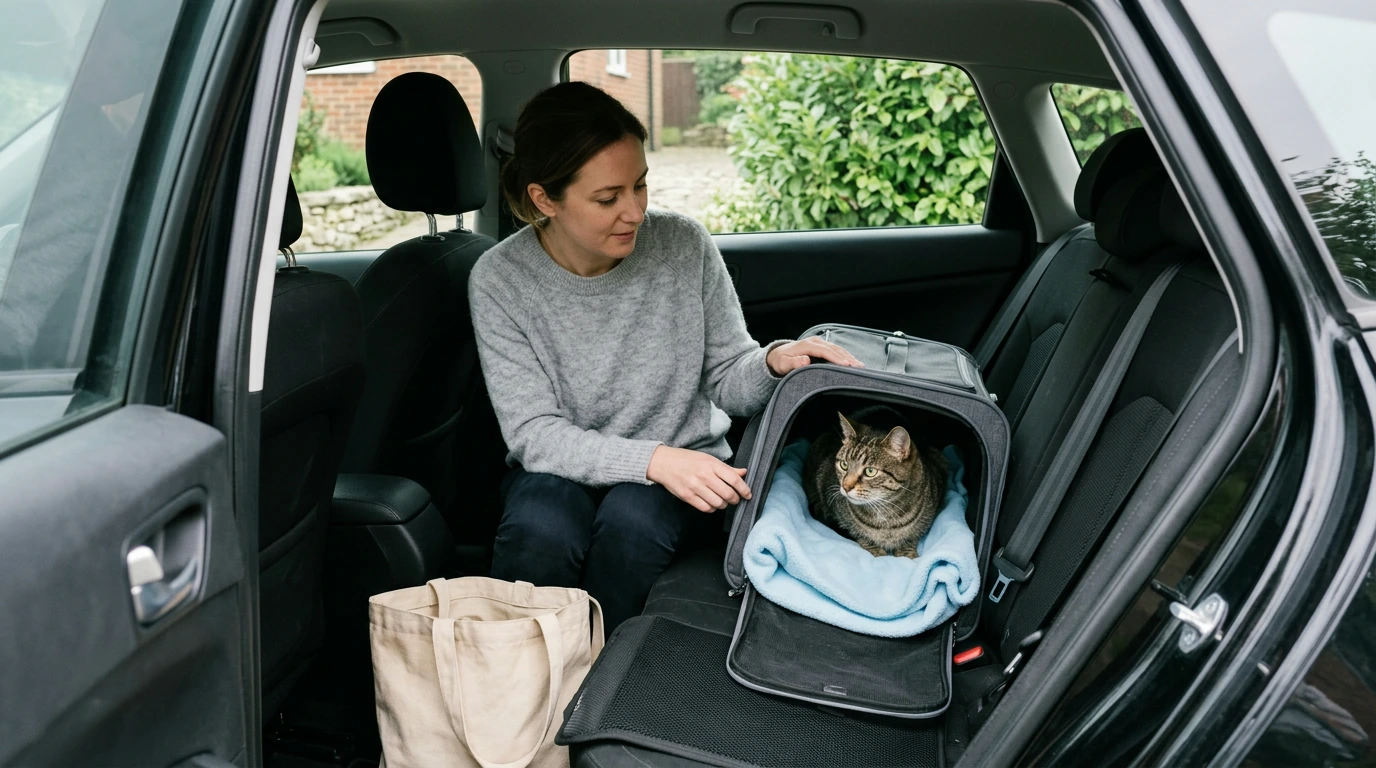
Leave the carrier open at home with comfortable bedding inside, and let your cat explore it without being shut in or taken anywhere. Once your cat enters willingly, practice closing the door briefly, then gradually build up to carrying the carrier around the house.
Check the product’s listed specifications when evaluating make the carrier a familiar place.
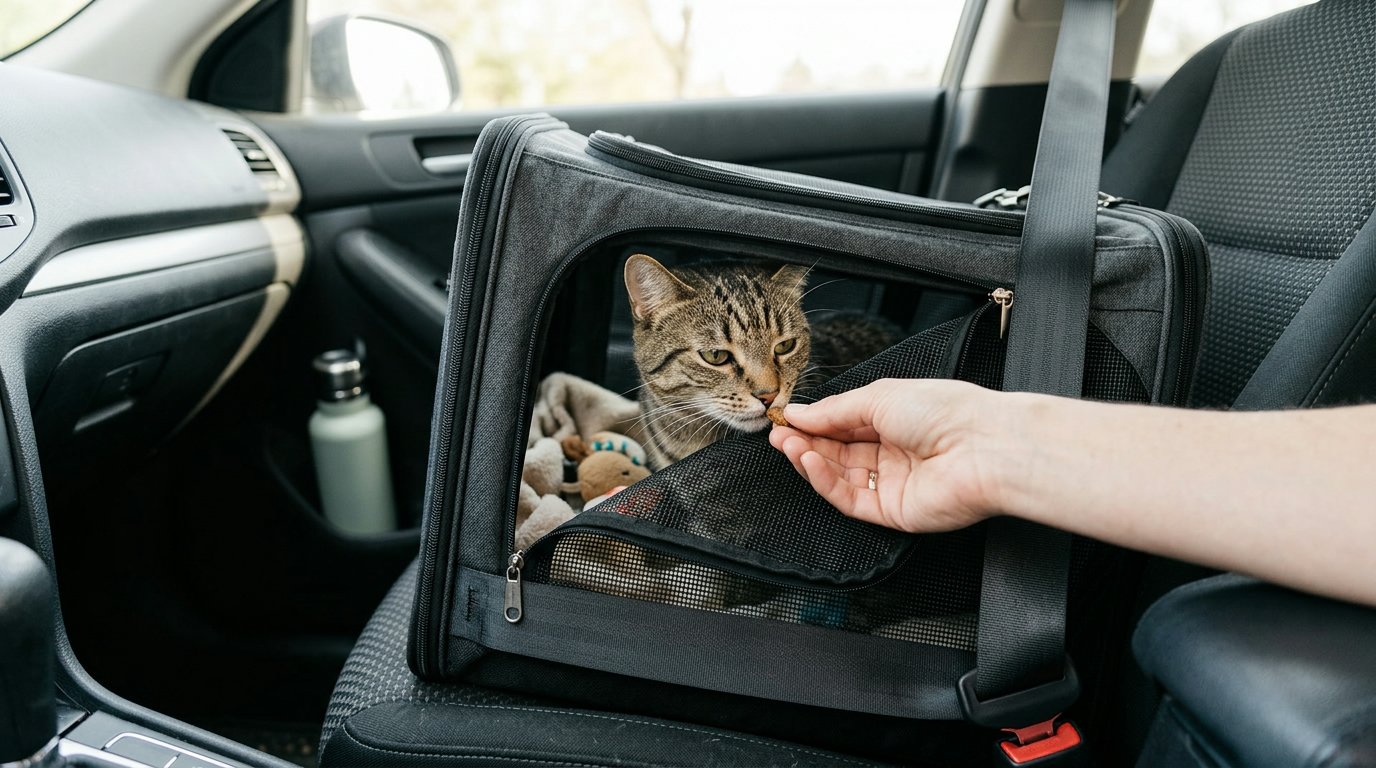
Start with your cat in a secure carrier in a parked car, then try a short drive around the block before increasing the distance. If your cat becomes very distressed, return to an easier step next time instead of extending the ride and hoping they will settle.
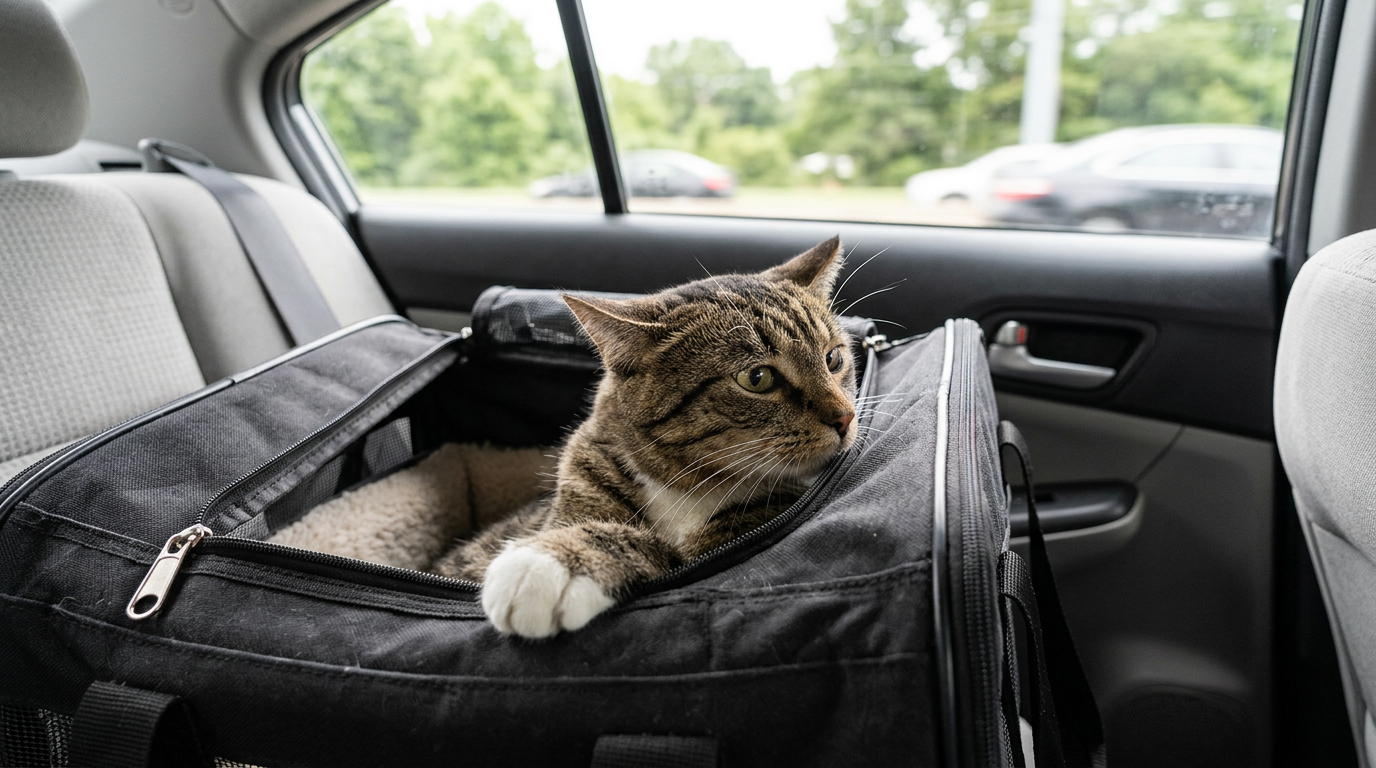
Featured in this guide
How to Travel with a Cat in the Car – A Complete eBook Guide for Stress-Free Road Trips with Your Feline Companion
For longer drives, plan breaks so you can check on your cat, offer water, and manage litter needs without opening the carrier near an open car door. Our How to Travel with a Cat in the Car eBook guide is a companion for planning road trips with your cat, while your veterinarian is the right person to advise you about persistent distress, vomiting, or possible motion sickness.
If your cat pants, drools heavily, vomits, or remains panicked despite gradual practice, tell your veterinarian what happens and how soon it begins. Our team would not recommend giving calming products or medication without veterinary guidance, since the right approach depends on your cat’s health and the cause of their reaction.
Check the product’s listed specifications when evaluating know when to get extra help.
Yes, many cats find car travel upsetting because the carrier, movement, sounds, and unfamiliar surroundings can all arrive at once. Gradual practice may help, but a veterinarian can help you address intense fear or signs of motion sickness.








Leave a comment