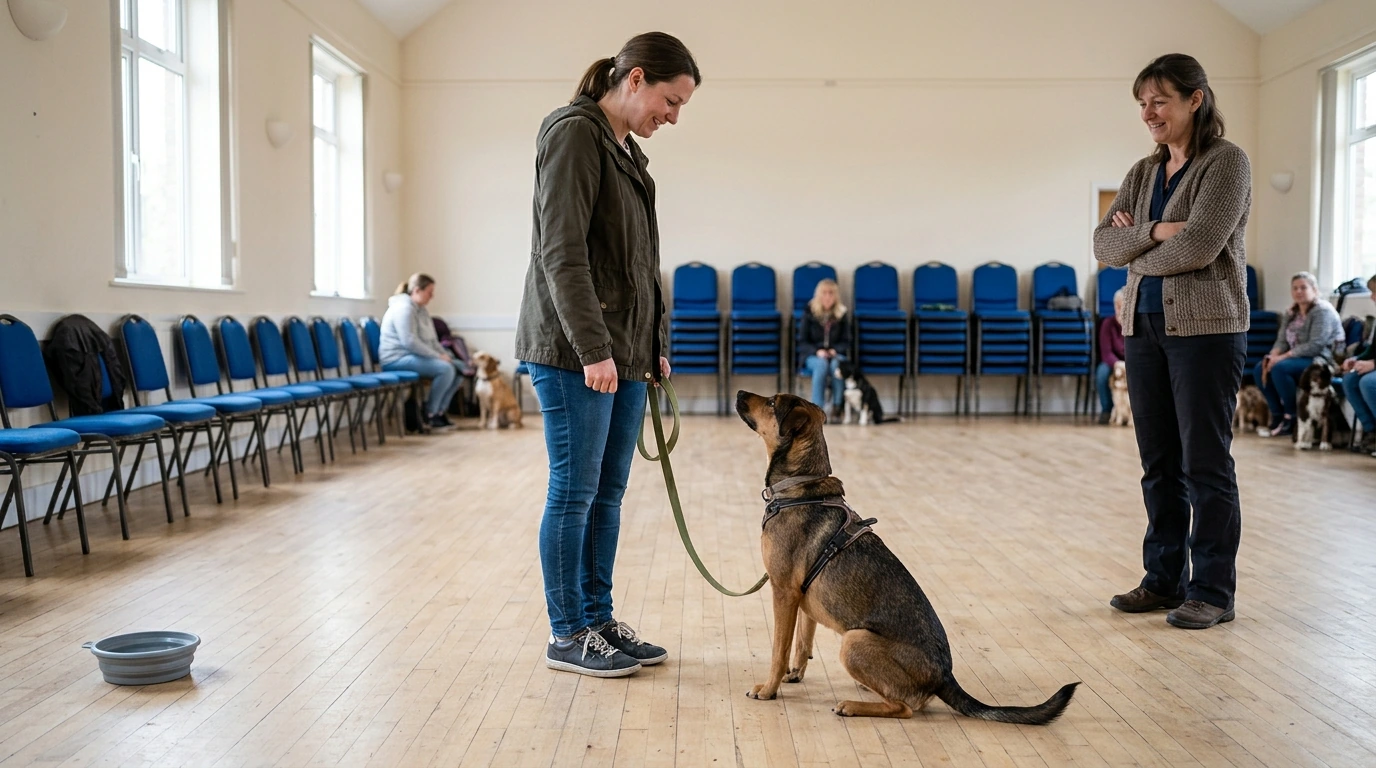
Is Dog Training Worth It? Classes, Lessons & Home Practice
Training is worth the investment when you want safer, calmer everyday routines with your dog—not just a dog who can perform commands on cue. If your dog pulls hard on walks, struggles to settle around visitors, or doesn’t reliably come when called, a trainer can help you practice skills in the situations where you need them.
You don’t have to wait for a serious problem, either: a class can give a new dog a consistent foundation and give you a place to ask questions as you learn together. What matters most is that you keep practicing at home, since your dog needs to understand what you’re asking in your own household and neighborhood.
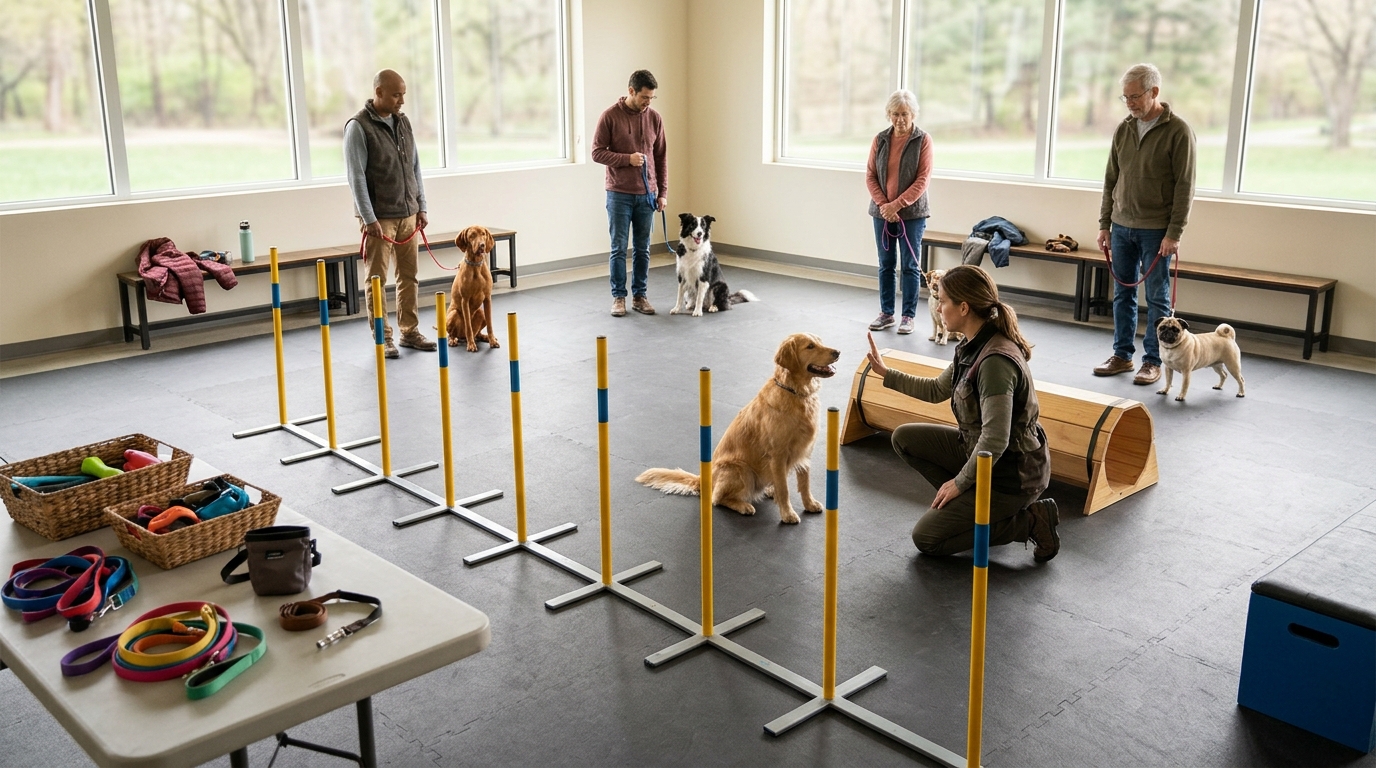
Group classes can suit dogs who are comfortable enough around other dogs and people to learn in a shared space, while private lessons may be a better starting point if you need help with a specific challenge or a quieter setting. If your dog is fearful, reactive, or likely to bite, tell the trainer before enrolling so you can discuss an appropriate, safe setup.
Ask how the trainer teaches new behaviors, what you’ll be expected to practice between sessions, and how they’ll adapt when your dog has trouble. We recommend looking for instruction that rewards the behavior you want and helps you recognize when a task or environment is too difficult for your dog right now.
Check the product’s listed specifications when evaluating choosing a format that fits you and your dog.
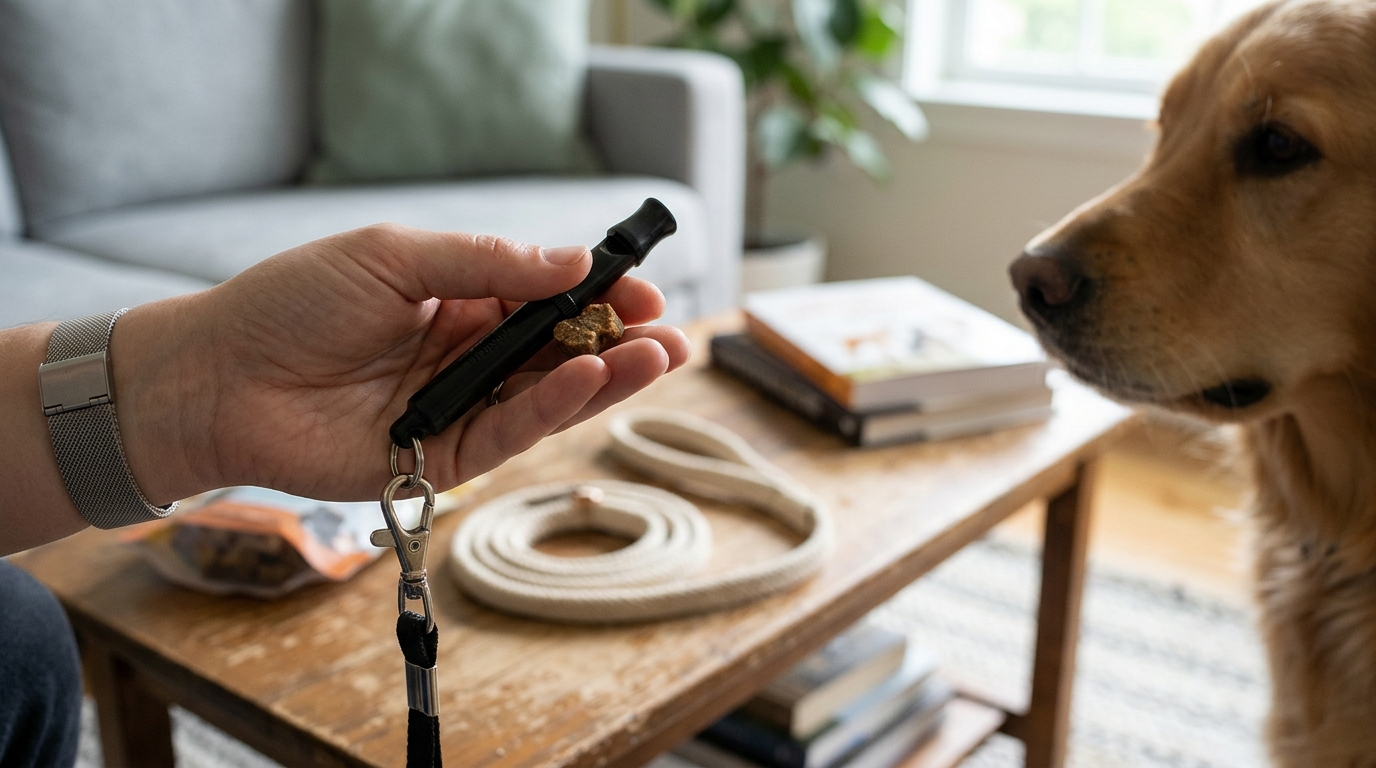
Featured in this guide
Sit, Stay, Smart: A Modern Guide to Teaching Your Dog Basic Commands – Dog Training eBook for All Owners
Start with short sessions in a low-distraction room, reward a behavior your dog can do successfully, and gradually practice in new places rather than expecting instant reliability outdoors. For a simple starting structure, use our routine for teaching sit, stay, and come and make sure everyone in your home uses the same cues.
Our Sit, Stay, Smart: A Modern Guide to Teaching Your Dog Basic Commands eBook is another option if you’d like a guide focused on basic commands. Whether you use a guide, hire a trainer, or do both, choose small goals you can practice regularly and give your dog breaks when they’re tired or overwhelmed.
If you’re making steady progress and can manage your dog safely, you may not need formal training; a class or lesson can still be worthwhile if you want feedback on your timing and technique. If behavior is creating a safety concern, involves sudden changes, or seems connected to pain, speak with your veterinarian and get qualified behavioral help rather than relying on basic command practice alone.
The best choice is one that teaches you as well as your dog, fits your schedule, and leaves you able to continue the work after sessions end. Before committing, be clear about the behavior you want to change and ask how you’ll measure progress in daily life.










Leave a comment