Teach Your Dog Sit, Stay, and Come: A Simple Routine
Choose a quiet room where your dog can focus, and have small rewards ready before you begin. Food treats are convenient, but praise or a favorite toy may work better for your dog. Start with a movement they can already do or can learn with a little help. That first success gives you something clear to reward.
Practice for just a few minutes at a time. If your dog becomes distracted or frustrated, make the task easier and finish after a success rather than pushing through. You can try again later. Several pleasant, brief sessions fit into most days more easily than one long lesson.
Use the same word for each cue, reward promptly when your dog does the action, and gradually use less help as they learn. For example, you might first guide a sit with a treat, then make that guiding motion smaller over time. Our goal is for your dog to respond to the cue, not to need to see a treat before every attempt. For more guidance on positive training, see the ASPCA’s dog training resources.
Hold a reward near your dog’s nose and move it slowly upward and slightly back. When their rear reaches the floor, reward them right away. Once the movement becomes predictable, say “sit” just before it happens. Gradually make your guiding motion smaller so your dog learns the cue without needing to see a treat first.
If your dog jumps or backs away, reset and try a smaller motion. You don’t need to press them into position.
Check the product’s listed specifications when evaluating sit: reward the moment it happens.
Featured in this guide
Sit, Stay, Smart: A Modern Guide to Teaching Your Dog Basic Commands – Dog Training eBook for All Owners
Begin with a position your dog already knows. Reward even a brief pause, then use a consistent release word, such as “okay,” to end the exercise. Build duration first. Later, take a small step away; save distractions for when the easier version is comfortable.
Keep the first goal modest: a short, successful stay is more useful than a long wait that ends in confusion.
Start close to your dog in a quiet, secure space. Say their name and “come” in an upbeat voice, then reward them when they reach you. Increase distance only after nearby returns become reliable.
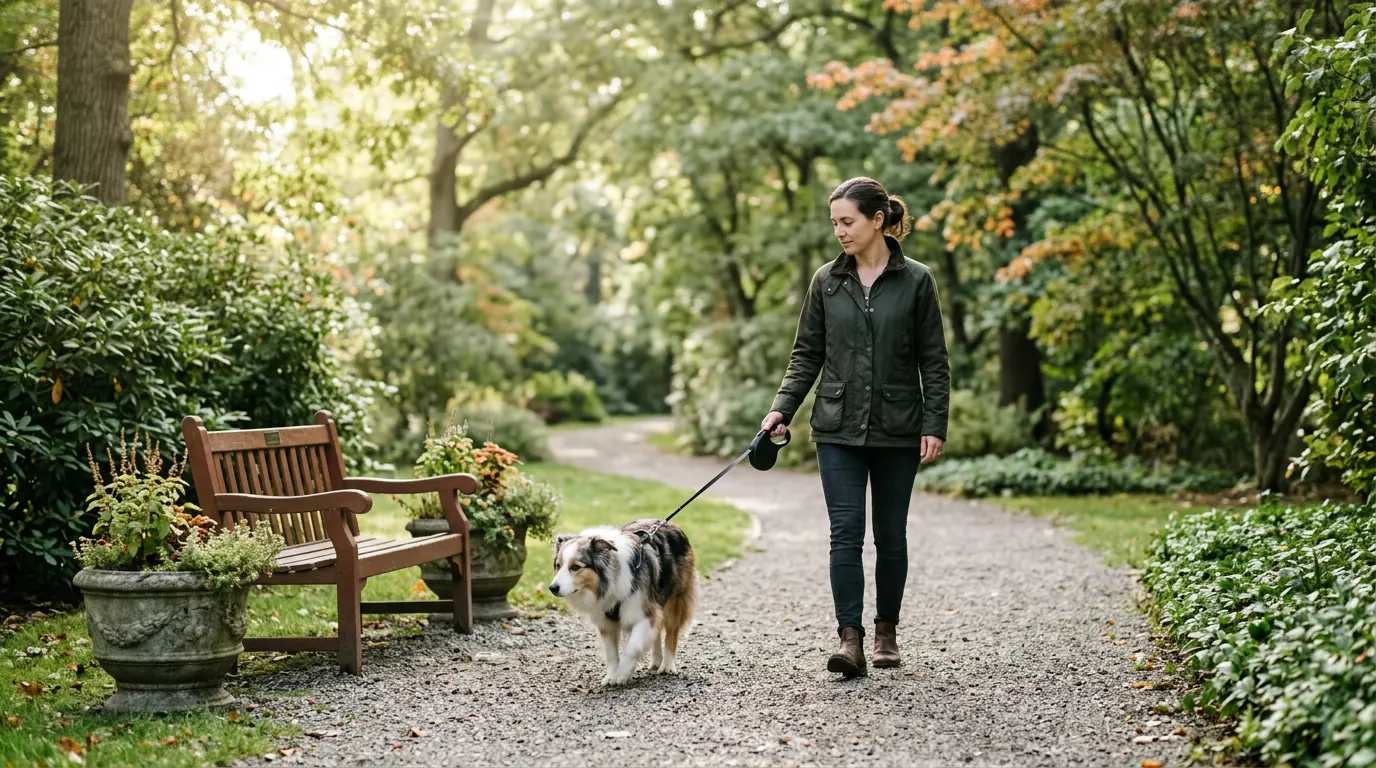
Sometimes call your dog, reward them, and let them return to play. Outdoors, use a securely enclosed area or appropriate control while you work toward harder recalls; don’t rely on a developing cue to keep your dog safe.
Try one or two easy repetitions during a routine you already have: a sit before a bowl goes down, a brief stay while you take one step away, or a recall across a quiet room. Leave plenty of time for rest and play without asking for a cue.
If you want activities between command sessions, our Brain Boost Fun for Dogs enrichment activities offer a printable starting point. For foundational command practice, you can explore Sit, Stay, Smart and decide whether an eBook suits the way you like to learn.
Check the product’s listed specifications when evaluating choose a routine you can repeat.
Our featured Sit, Stay, Smart: A Modern Guide to Teaching Your Dog Basic Commands is an option when you want one dog training eBook to support practice with foundational cues. A written guide is most useful when you pair it with patient repetition, rewards your dog values, and goals small enough to reach today. If a step isn’t working, simplify it before moving on.
You can explore Sit, Stay, Smart and begin with one command. Pick a quiet moment, reward one good attempt, and give your dog another chance to succeed tomorrow.
Start with a duration your dog can reliably manage, even if that’s only a moment. Increase the time gradually; there is no single required duration for every dog or setting.
A training approach is worth considering if it fits your dog’s needs and gives you clear, humane steps you can practice consistently. Look for methods that reward desired behavior and help you adjust when your dog struggles.
“7 7 7 rule” can refer to different dog socialization or adjustment checklists, so it isn’t a universal training standard. Use your individual dog’s comfort and progress—not a fixed count—to guide practice.
Costs vary by location, trainer, format, and what the program includes. Ask for the total price, training methods, and a plan for practicing with your dog afterward before you commit.
It depends on the program and your dog, but your participation still matters: you’ll need to practice the cues at home. Ask how the trainer works with dogs and how they will teach you to continue the routine.
Puppies can begin learning simple cues early through brief, positive sessions. Keep expectations age-appropriate, and build longer stays and more distracting recalls gradually.







Leave a comment