Can Training Make Dogs Happier? What to Know
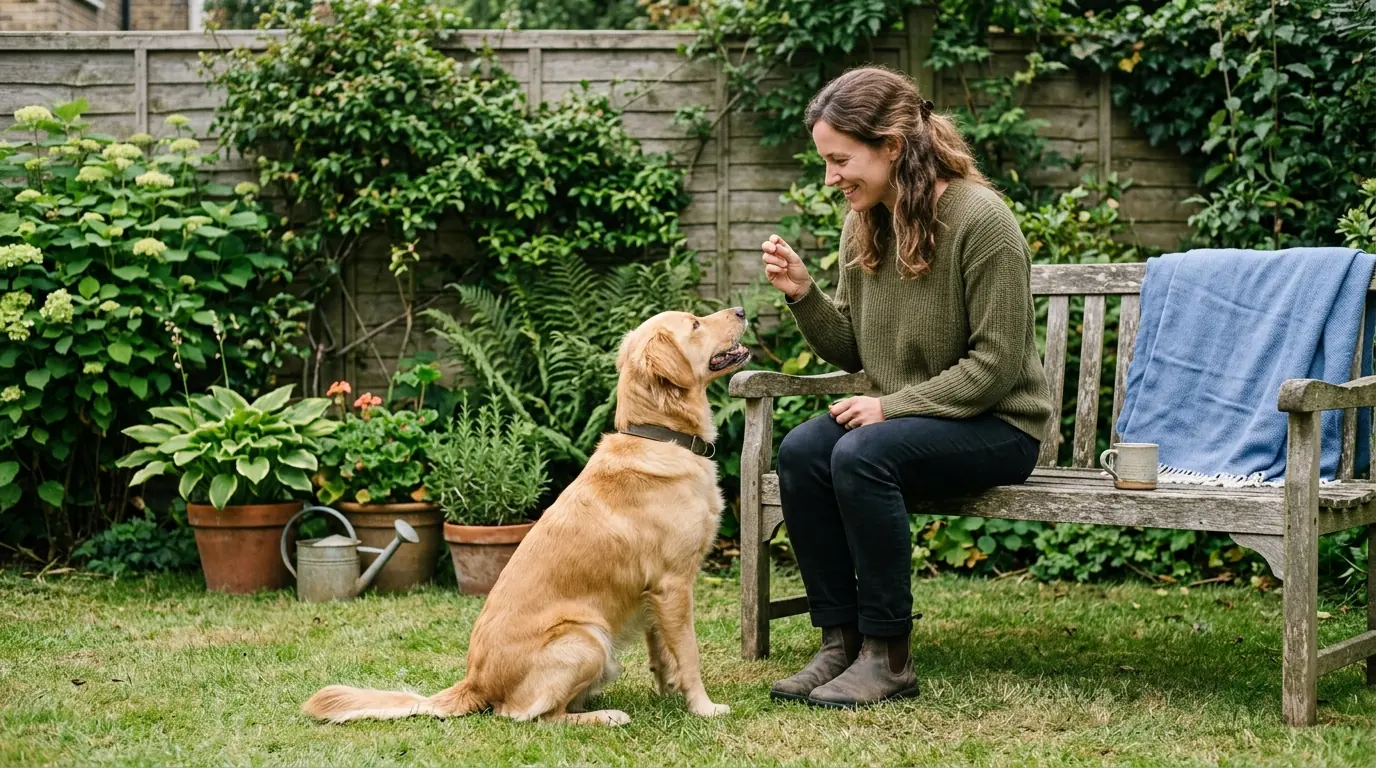
Training can make many dogs happier because it gives you and your dog a clearer way to communicate, especially during everyday moments like greeting visitors, waiting at a doorway, or coming inside from the yard. A dog who understands what you’re asking has more opportunities to succeed, while you have a practical way to reward the behaviors you want to see again.
Check the product’s listed specifications when evaluating can training make dogs happier.
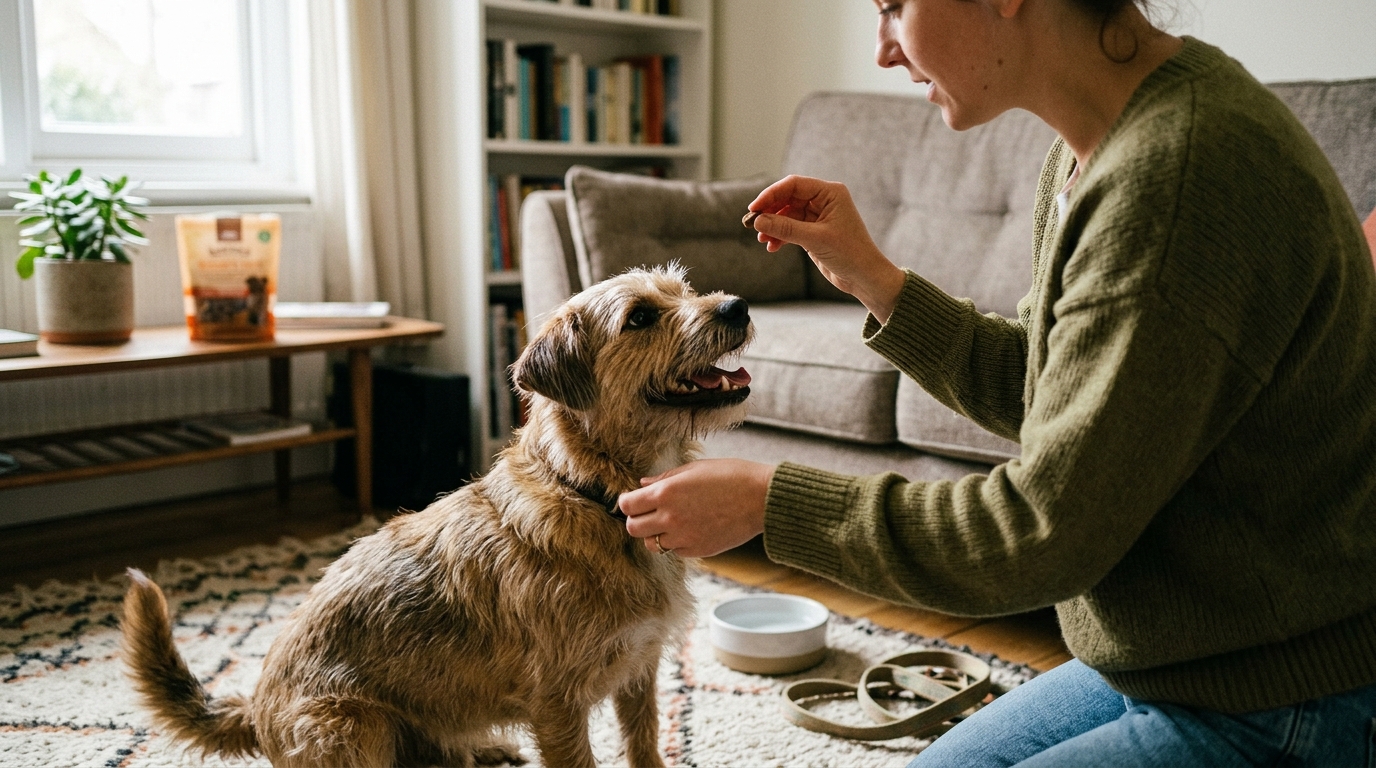
Keep sessions short, reward your dog promptly for a behavior you want, and choose a reward they enjoy, such as a small treat, a toy, or praise. Start in a quiet place with an achievable task, then add distractions gradually; if your dog seems frustrated or tired, make the next step easier or take a break rather than repeating the cue more loudly.
Check the product’s listed specifications when evaluating what kind of training feels good to a dog.
Featured in this guide
Sit, Stay, Smart: A Modern Guide to Teaching Your Dog Basic Commands – Dog Training eBook for All Owners
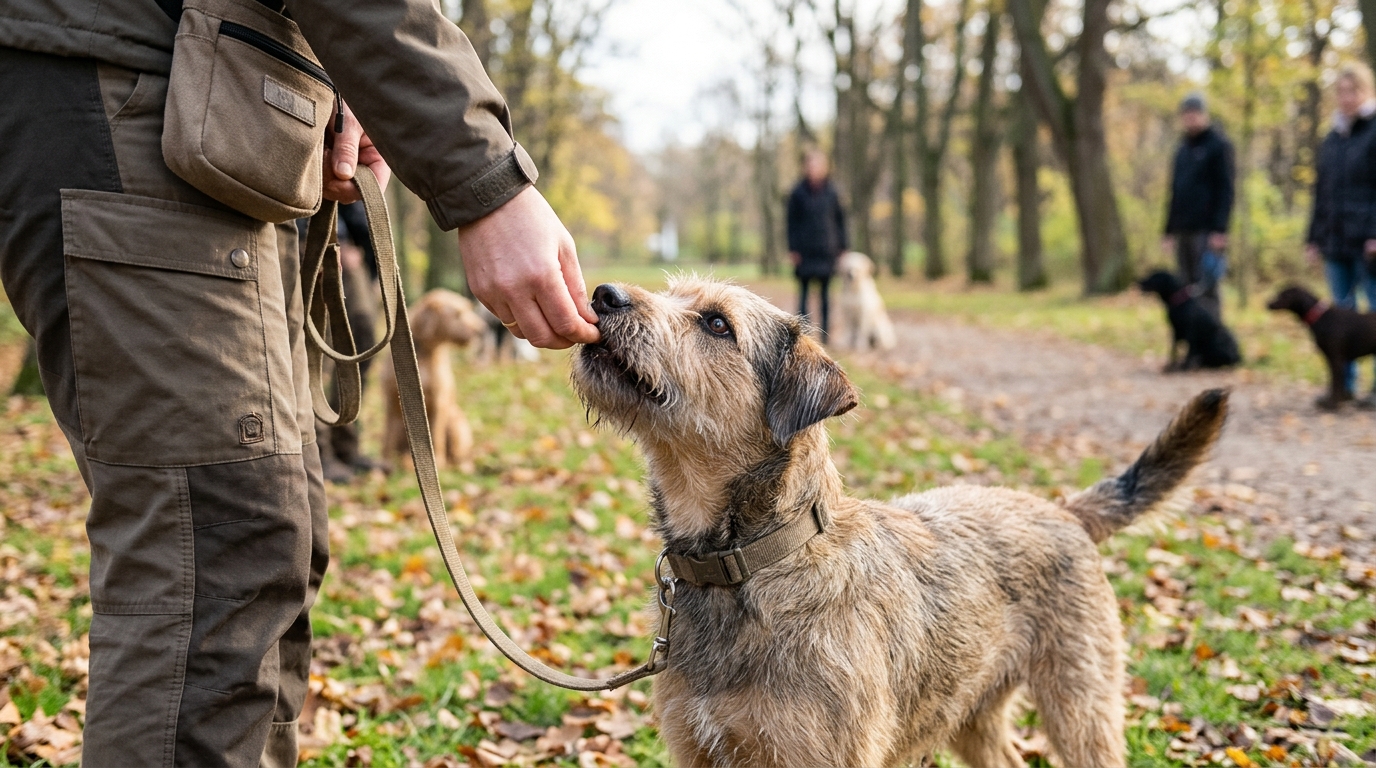
Useful basics include “sit” for a calm pause, “stay” for brief moments of waiting, and “come” for returning to you; our simple sit, stay, and come routine offers a starting point if you want to practice those cues. Our team also features Sit, Stay, Smart: A Modern Guide to Teaching Your Dog Basic Commands – Dog Training eBook for All Owners for readers interested in basic-command training.
A lively puppy may need very brief practice between play and rest, while an older dog or a dog with limited mobility may do better with cues that don’t require uncomfortable positions. We’d prioritize your dog’s comfort over a perfect-looking response: use a secure area for recall practice, avoid pushing a dog into position, and seek veterinary guidance if a familiar movement suddenly seems painful.
Dogs can learn at any age, though puppies can begin practicing simple, age-appropriate skills early. For an adult or senior dog, start with small steps and rewards they value, and account for any hearing, vision, or mobility changes.
Some dogs enjoy close contact, but others find hugs uncomfortable or restrictive, so a hug isn’t a reliable way to tell a dog you love them. Watch your dog’s body language and let them move away; gentle petting, play, or simply spending time together may be a better fit.







Leave a comment