35% off on product page · save $8.61
Can Cats Handle Long Car Rides? How to Travel Safely
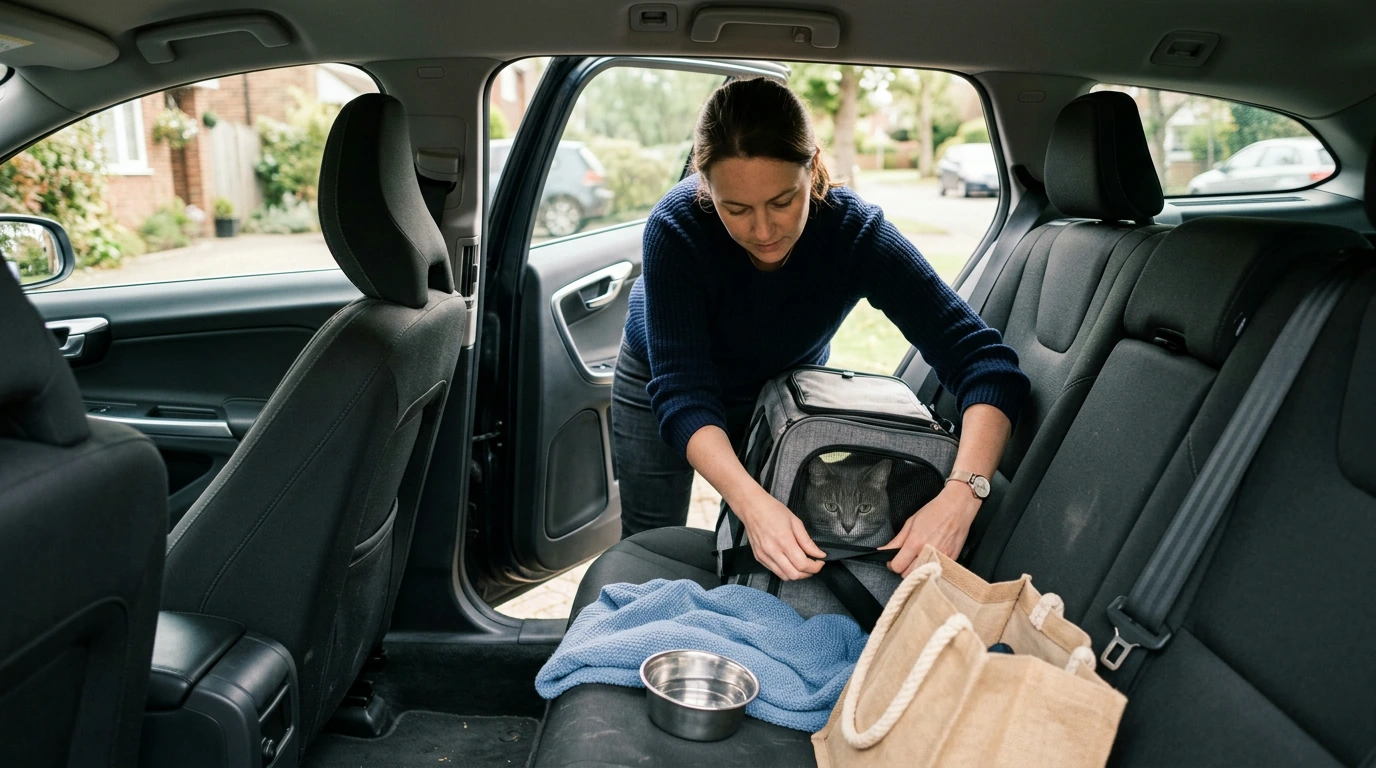
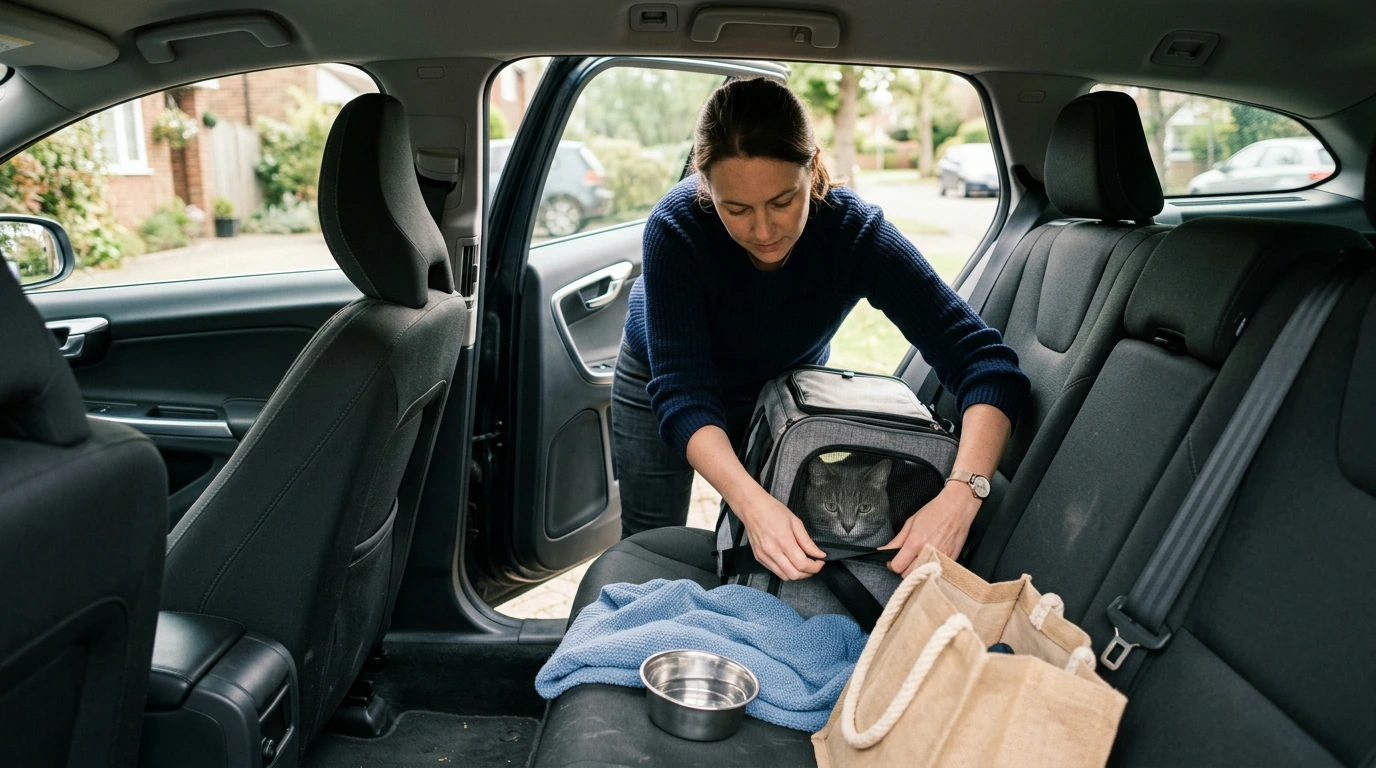
Yes, many cats can handle a long car ride when they travel in a secure carrier and have time to adjust. Others find driving stressful, so your cat’s behavior matters more than the number of miles on the route. If your cat has a medical condition, gets severely carsick, or panics in the car, ask your veterinarian for advice before the trip.

Leave the carrier open at home with familiar bedding inside, then try a few short drives before departure. Treats or a favorite toy can help your cat associate the carrier with something pleasant. Check that the carrier is large enough for your cat to stand, turn around, and lie down comfortably.

Featured in this guide
How to Travel with a Cat in the Car – A Complete eBook Guide for Stress-Free Road Trips with Your Feline Companion
Offer water at safe stops and check whether your cat needs a litter box, especially on an all-day drive. A portable litter box and a small supply of your cat’s usual litter can make breaks less disruptive. Never open the carrier outdoors unless your cat is safely contained in the closed vehicle or another secure space.
Some meowing is common, but persistent panting, repeated vomiting, extreme lethargy, or frantic attempts to escape deserve attention. Pull over safely to check on your cat, and contact a veterinarian if symptoms are severe or do not improve. For more preparation tips, see the guide to traveling with a cat in the car.
There is no single time limit that suits every cat. For a long drive, plan safe stops to offer water, check your cat, and provide a litter box when needed.
The 3-3-3 rule is a rough guide to how some newly adopted cats adjust over three days, three weeks, and three months. It is not a rule for how long a cat can ride in a car.
A 10-hour drive can be manageable for some cats with a secure carrier and planned care stops. Ask your veterinarian first if your cat has health concerns or a history of severe travel distress.
Some cats settle after practice, while others remain anxious throughout the drive. Short trial trips can help you learn how your cat responds before committing to a longer route.
Long rides can be safe when cats stay in secured carriers and are monitored along the way. Keep the vehicle at a comfortable temperature, and never leave a cat alone in a parked car.
Many cats can travel for four hours in a properly sized, secured carrier. Check on your cat at a safe stop and offer water or a litter opportunity as appropriate.










Leave a comment