35% off on product page · save $5.92
Top Dog Supplements: Vet-Guided Recommendations

For many dogs, a veterinary-formulated omega-3 fish oil is among the most commonly recommended supplements. EPA and DHA may support skin, coat, joints, heart health, and healthy inflammatory responses, but the best choice depends on the dog’s diet and medical needs.

Dogs eating complete and balanced food may not need a daily multivitamin. Ask a veterinarian to review the food label, age, weight, medications, and health history before adding any supplement.
Check the listed dimensions for start with diet and veterinary guidance against the available vehicle space before use.
Featured in this guide
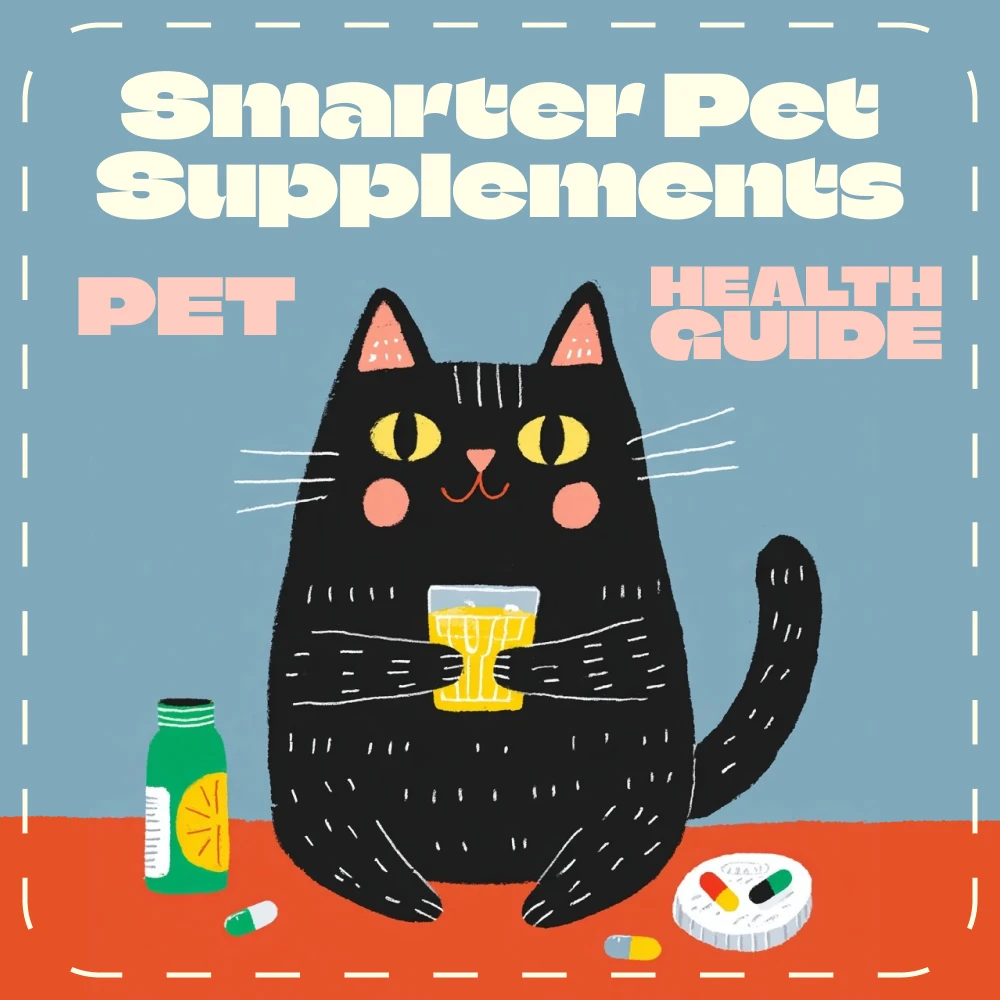
The Guide to Smarter Pet Supplements | Digital Pet Health Guide & Pet Supplements Checklist for Dogs & Cats | Wellness eBook for Pet Owners & Pet Businesses
Fish oil quality is better judged by its stated EPA and DHA amounts than by total oil volume. Select a dog-compatible product with clear dosing instructions, third-party testing, and packaging that limits exposure to heat, light, and air.
Glucosamine and chondroitin are often considered for mobility, while veterinary probiotics may help in specific digestive situations. Measure doses according to veterinary guidance and introduce only one new product at a time so reactions are easier to identify.
Avoid human products containing xylitol, excessive vitamin D, iron, or concentrated ingredients not intended for dogs. Stop use and contact a veterinarian if vomiting, diarrhea, itching, bruising, or unusual behavior develops.
Explore the smarter pet supplements guide for dogs and cats for additional selection and safety considerations.
Watch · product page video
“This guide is a lifesaver! I’ve been struggling with my pet’s supplement plan, but this makes it so much easier. It’s simple yet expert advice that anyone can follow. 🐾”
Amoriano product page · Product review
The best overall health supplement for dogs is the one addressing a verified dietary or medical need. Omega-3 fish oil is commonly considered, but a veterinarian should confirm the product and dose.
There is no single silent killer in dogs, but heart disease, kidney disease, and some cancers can progress with subtle signs. Routine examinations and bloodwork can help detect these conditions earlier.
Dogs often love words associated with rewards and enjoyable routines, such as “walk,” “treat,” or their name. Tone, repetition, and positive experiences matter more than any universal word.
Vets recommend supplements for dogs when evidence and individual health needs support their use. They may discourage unnecessary products or formulas that duplicate nutrients already supplied by balanced food.
Supplements recommended by veterinarians for dogs may include omega-3s, joint-support ingredients, probiotics, or prescribed vitamins. Recommendations vary by diagnosis, diet, age, medications, and laboratory results.










Leave a comment