What Does Dog Tail Wagging Actually Mean?
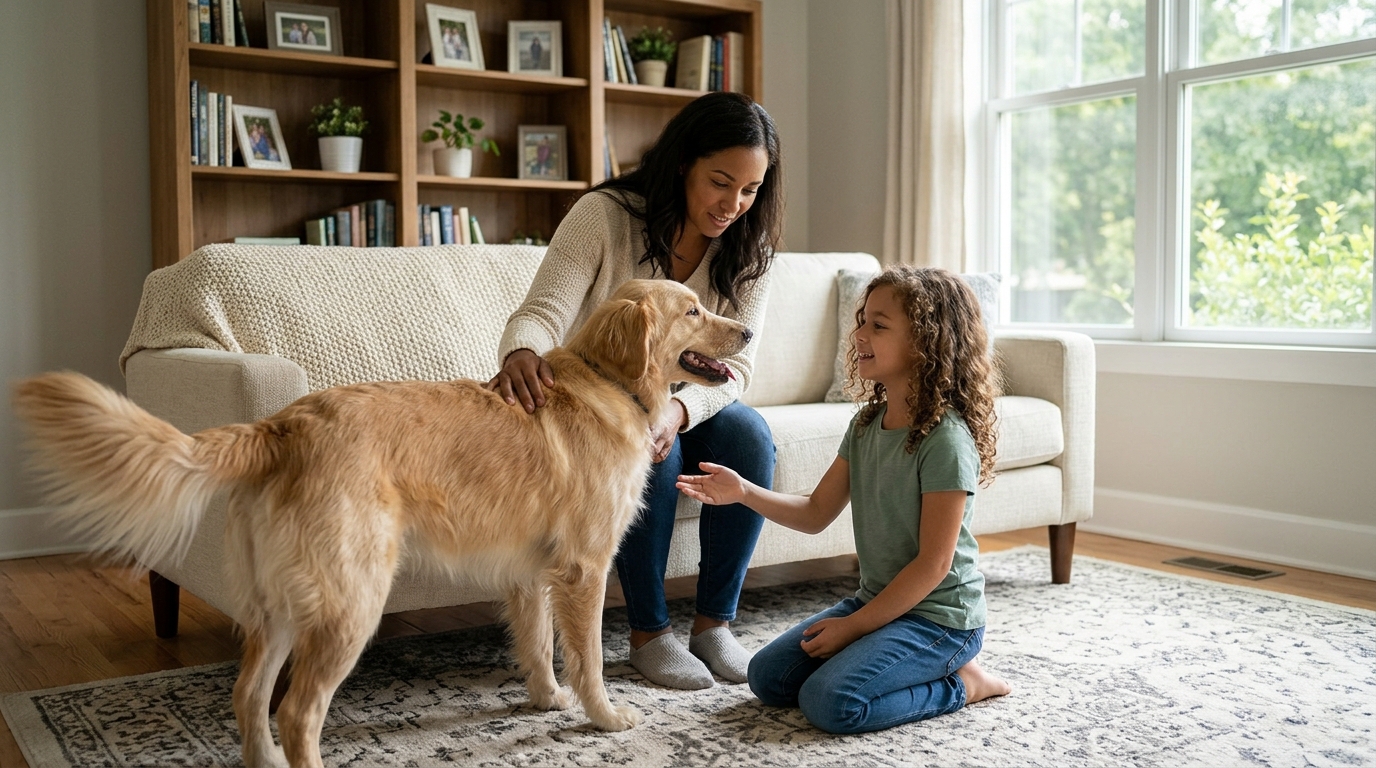
A loose, sweeping wag paired with a relaxed body, soft eyes, and an easy approach often signals a dog who is comfortable and interested in interacting. A stiff, rapid wag can mean something different, especially if your dog also freezes, leans forward, stares, or holds their mouth tightly closed.
Check the product’s listed specifications when evaluating read the tail with the rest of the body.
A tail held high and moving tightly may indicate heightened arousal, while a low wag or a tail tucked close to the body can accompany uncertainty or fear. Your dog’s usual tail carriage matters too: a naturally curled tail or a short tail will look different from a long, low-hanging one, so compare what you see with what is normal for your dog.
Featured in this guide
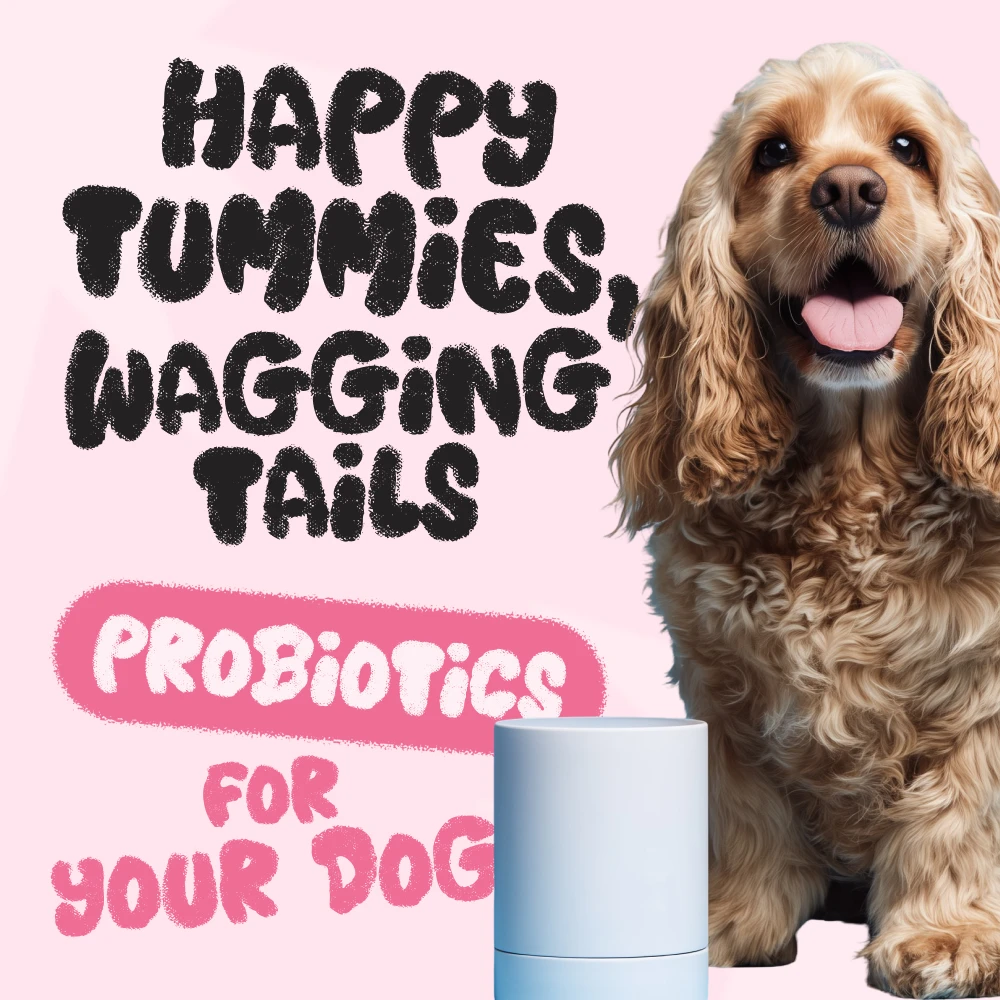
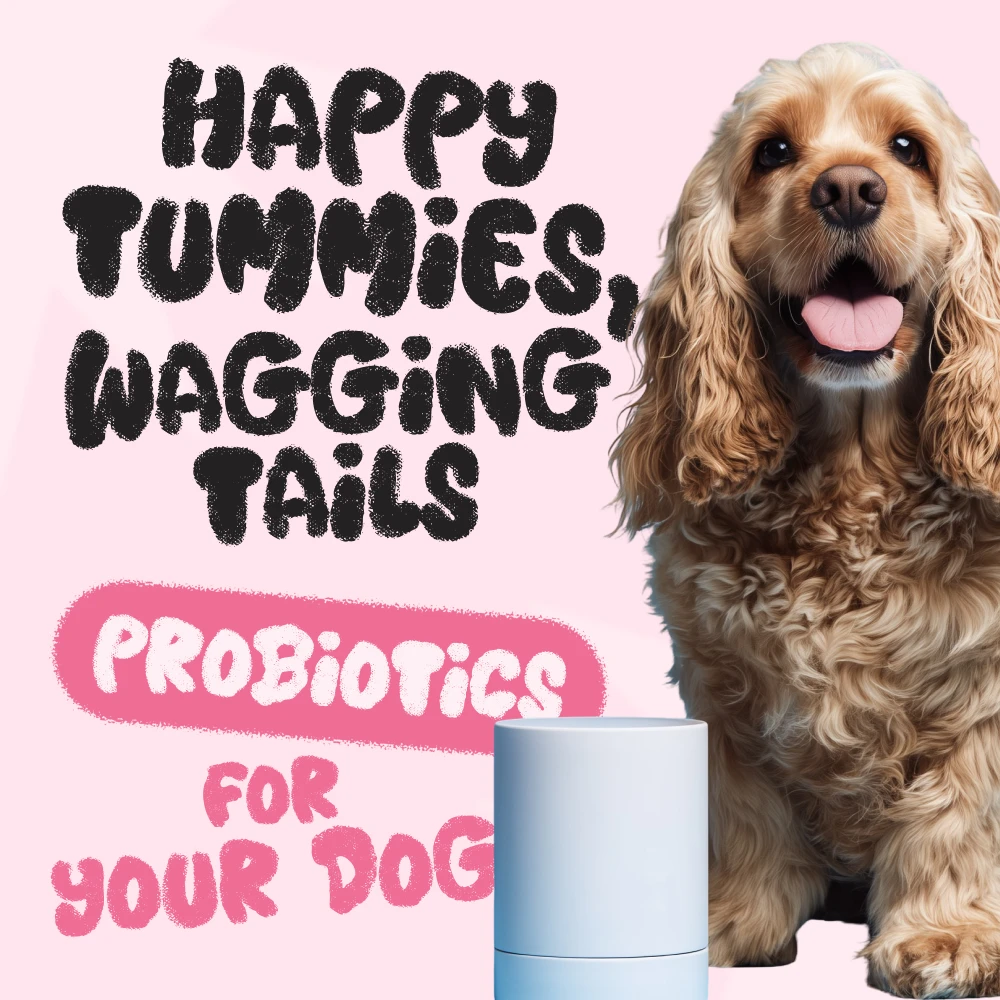
Happy Tummies, Wagging Tails: The Smart Guide to Using Probiotics for Your Dog | Dog Health eBook | Canine Digestive Wellness | Pet Probiotic Care | Digital Download
If you see a wag when your dog meets someone new, pause rather than assuming it is an invitation to pet them; let your dog approach, sniff, or move away without being followed. If their body looks stiff, they back up, or they repeatedly turn away, create space and ask the other person to stop reaching toward them, even if the tail is still moving.
Check the product’s listed specifications when evaluating give your dog room to choose.
Our team thinks of tail movement as one piece of everyday observation, much like noticing changes in your dog’s appetite, energy, or bathroom habits. Our Happy Tummies, Wagging Tails: The Smart Guide to Using Probiotics for Your Dog is a digital guide focused on canine digestive wellness; if you are exploring that topic, you can also read our guide to choosing and tracking a dog probiotic trial.
Check the product’s listed specifications when evaluating keep tail wags in context.
It means your dog is responding to something, not necessarily that they want attention or feel friendly. Watch their posture, face, movement, and surroundings before deciding whether to approach or give them space.
It means a smaller or less important part is controlling the larger, more important whole. The phrase is an idiom, not a description of canine body language.









Leave a comment