What Classifies a Breeder as a Puppy Mill? Key Signs
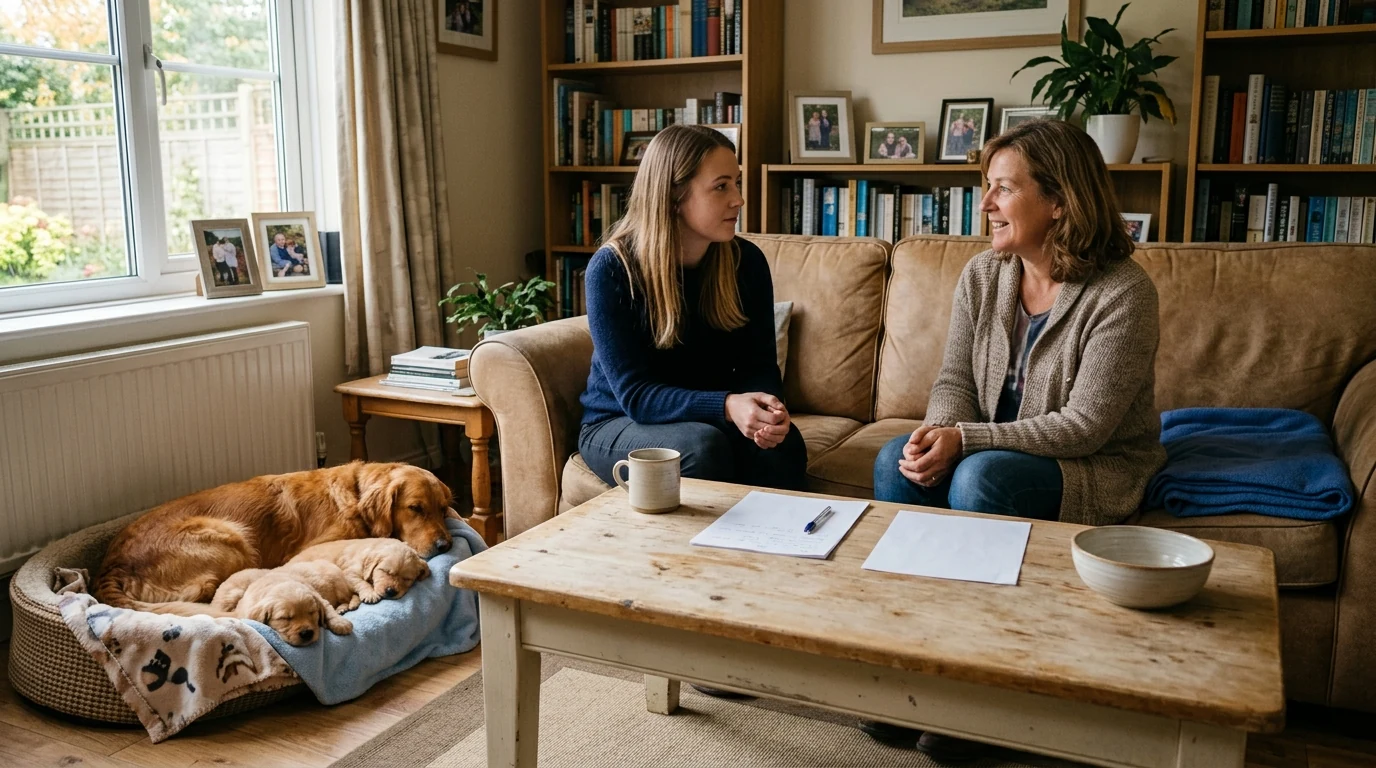
A puppy mill is a breeding operation that puts producing and selling puppies ahead of the dogs’ health and welfare, often keeping breeding dogs in poor conditions and providing inadequate veterinary care, socialization, or humane housing. The classification is about how dogs are treated, not simply how many puppies a breeder sells or whether the business has a license.
Check the product’s listed specifications when evaluating what makes a breeder a puppy mill.
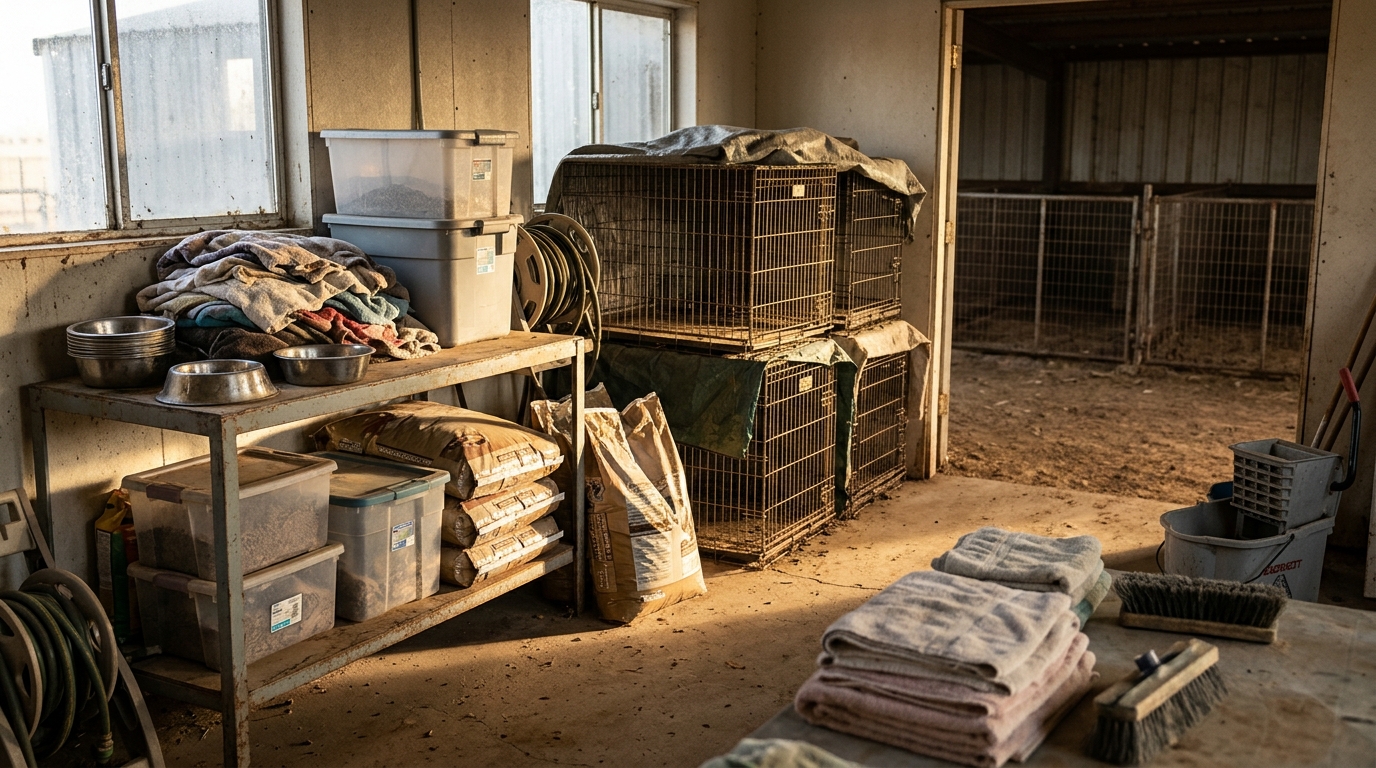
Warning signs include crowded or filthy housing, dogs without consistent access to clean water, untreated illness, and puppies who seem fearful, lethargic, or unwell. A responsible breeder should be willing to discuss the dogs’ living conditions, routine veterinary care, socialization, and the health history of the puppy’s parents, rather than treating those questions as an inconvenience.
Featured in this guide
Finding a Breeder You Can Trust | Digital Guide on How to Check If a Breeder Is Reputable | Dog Owner’s eBook for Responsible Puppy Buyers | Learn to Spot Red Flags & Verify Breeders with AI Tools
Be cautious if a seller offers many breeds or puppies continuously, refuses to let you see where the dogs live, pressures you to pay immediately, or insists on meeting somewhere that prevents you from seeing the breeding environment. None of these signs alone proves an operation is a puppy mill, but a combination of evasive answers and poor conditions is a strong reason to walk away.
Check the product’s listed specifications when evaluating look beyond the sales pitch.
Ask to see the puppy with its mother when possible, observe the dogs’ environment, request health and veterinary records, and independently verify any claims the breeder makes; some legitimate circumstances may prevent a visit, so ask for an explanation and other ways to verify care. For a structured starting point, our Finding a Breeder You Can Trust digital guide covers breeder red flags and verification with AI tools.
Look for a pattern of poor living conditions, inadequate care, reluctance to answer questions, and sales practices that make it difficult to verify where puppies come from. Ask for records and a way to see the breeding environment, and leave if the seller pressures you or cannot account for the dogs’ welfare.
Yes: a breeder can raise dogs responsibly, while a puppy mill prioritizes production and sales over appropriate care and welfare. Focus on the treatment of both puppies and breeding dogs rather than relying on the seller’s label or the operation’s size alone.








Leave a comment