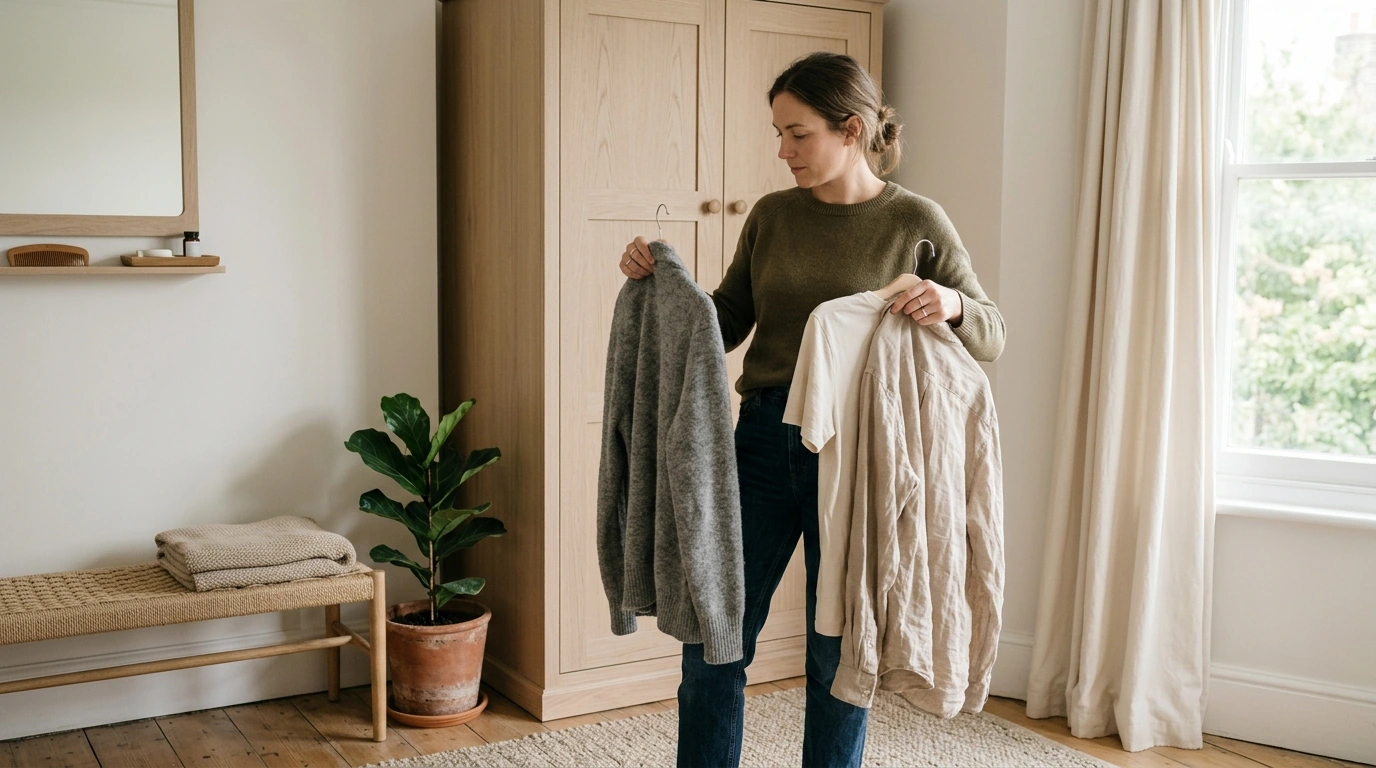
Best Fabrics for Comfy Clothes: A Practical Guide
Cotton is a dependable choice for comfortable T-shirts, pajamas, and everyday basics because it feels soft and allows airflow. Choose combed or ring-spun cotton for a smoother texture, and check the label for a small percentage of elastane when you want added stretch.

Linen, cotton gauze, and Tencel lyocell help heat escape and feel light against the skin. Look for loosely woven linen or garments weighing roughly 150 grams per square meter or less, then confirm that lighter colors are not overly sheer.

Featured in this guide
Comfy & Safe Fabrics for Your Pet’s Bed – Ultimate Checklist for Choosing Safe Bedding Fabrics
Modal, brushed cotton, cashmere, and fine merino wool provide cozy softness without requiring stiff, bulky layers. For wool clothing, choose fibers around 19.5 microns or finer to reduce itchiness, and wear a lightweight base layer if your skin is sensitive.
Fabric blends can improve fit, resilience, and ease of care while preserving a soft hand. Select cotton-spandex blends with about 2% to 8% elastane for flexible casual clothes, or try cotton-polyester blends when wrinkle resistance and faster drying matter.
The most comfortable material depends on how and where the clothing will be worn. Use breathable cotton or modal for underwear, moisture-managing merino or performance polyester for exercise, and linen or lyocell for loose summer pieces.
Texture, seams, and fit are just as important as fiber content, so feel the fabric and test your range of motion before buying. Explore the complete guide to the best fabrics for comfy clothes for more comparisons.
1
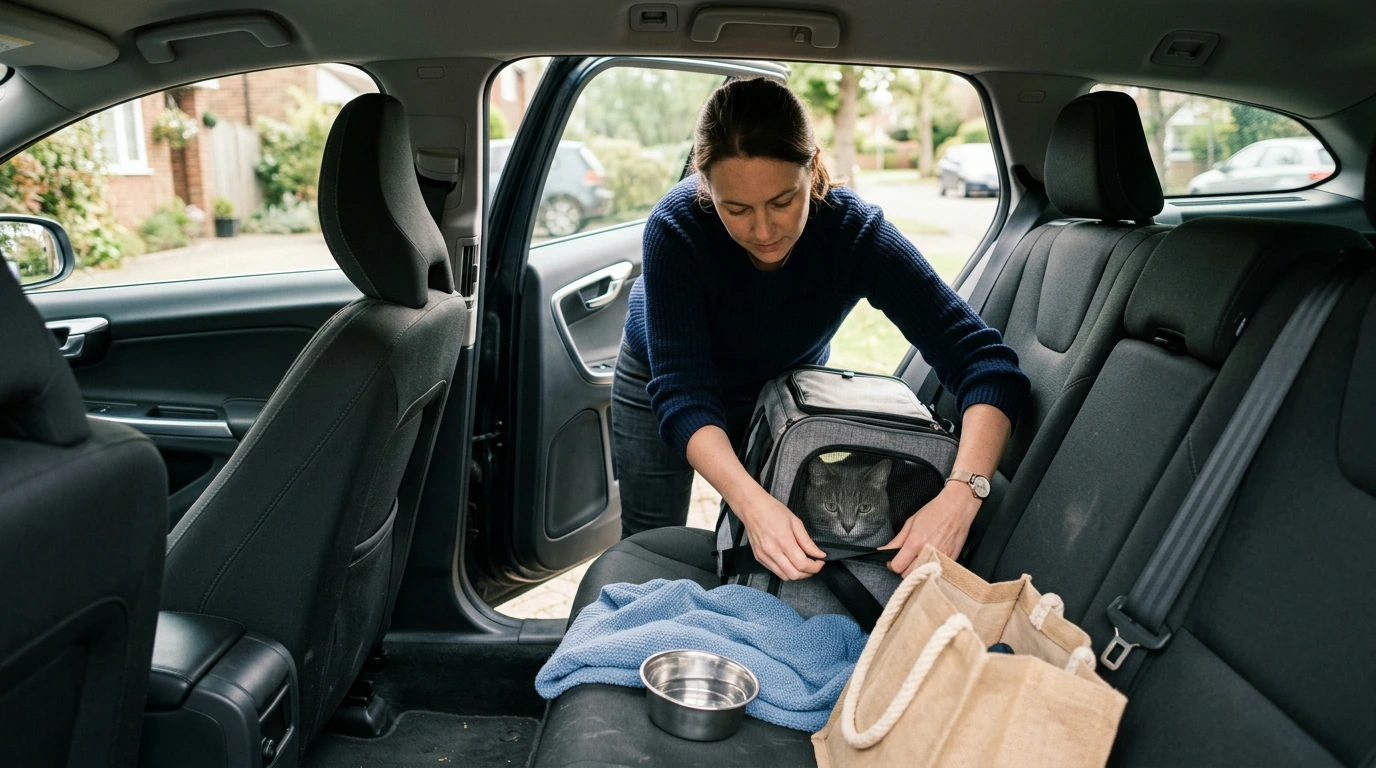
Measure the travel bed installation area in the vehicle
2
Compare the travel bed dimensions with the available space
3
Align the travel bed anchors or retention points
4
Test the travel bed clearance for the clothes practical check before the first trip
The most comfortable fabric for clothing is often cotton because it is soft, breathable, and widely suitable for sensitive skin. Modal and Tencel lyocell are strong alternatives when a silkier feel and better moisture control are preferred.
The 3-3-3 rule for clothes creates a compact wardrobe using three tops, three bottoms, and three pairs of shoes. Combining those nine items in different ways can produce numerous outfits while simplifying daily decisions.
100% cotton is generally better for softness, airflow, and casual comfort. 100% polyester is better for quick drying, wrinkle resistance, and demanding workouts, although it may retain odors and feel less breathable.
The coolest feeling fabric is often linen because its open structure promotes airflow and releases heat quickly. Tencel lyocell and lightweight cotton are also cool-feeling options with smoother surfaces and less wrinkling.
The top 10 softest fabrics commonly include cashmere, silk, modal, Tencel lyocell, bamboo viscose, fine merino wool, combed cotton, chenille, fleece, and microfiber. Actual softness varies with fiber quality, weave, finishing, and repeated washing.
The most comfortable clothing for women typically combines breathable fabric with a relaxed or flexible fit. Cotton tees, modal dresses, stretch leggings, linen pants, and seamless undergarments are practical options when selected in the correct size.









Leave a comment