How to Spot a Reputable Dog Breeder
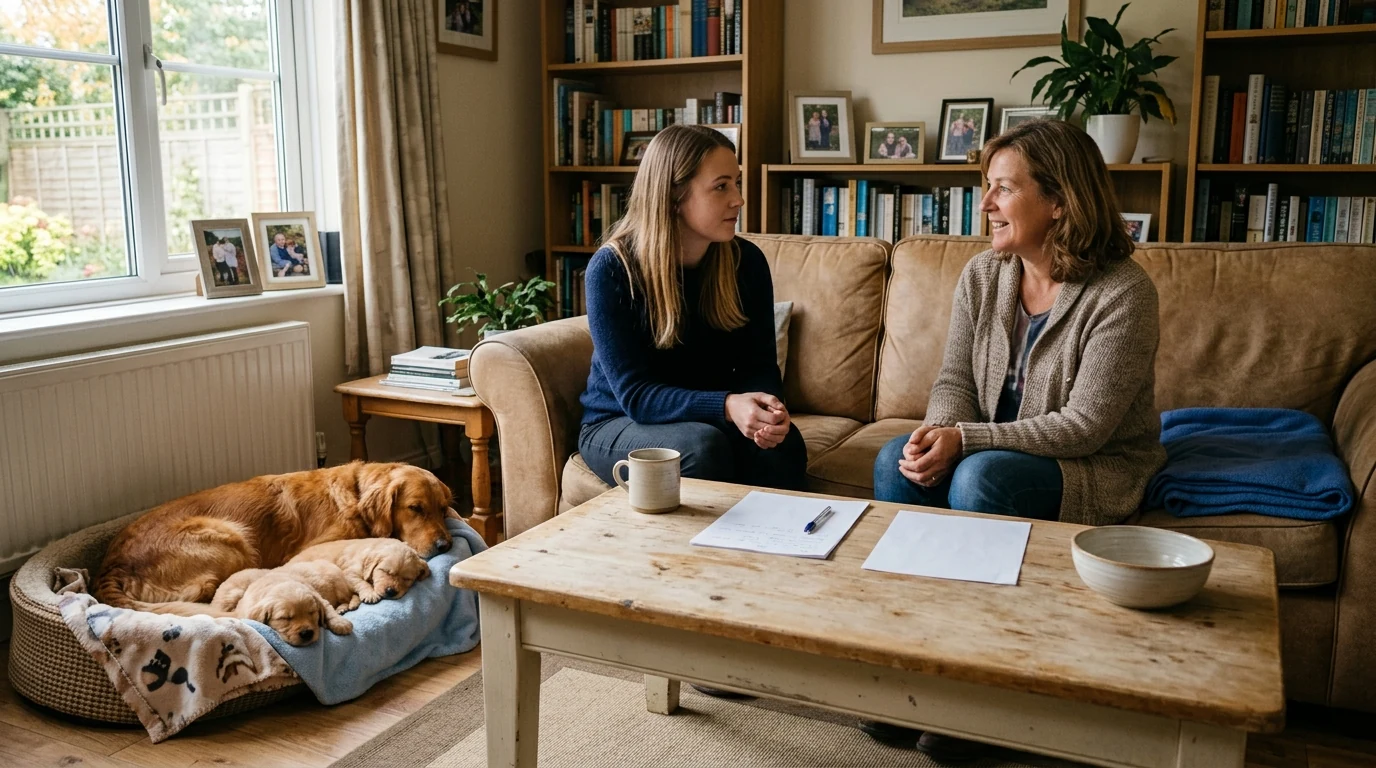
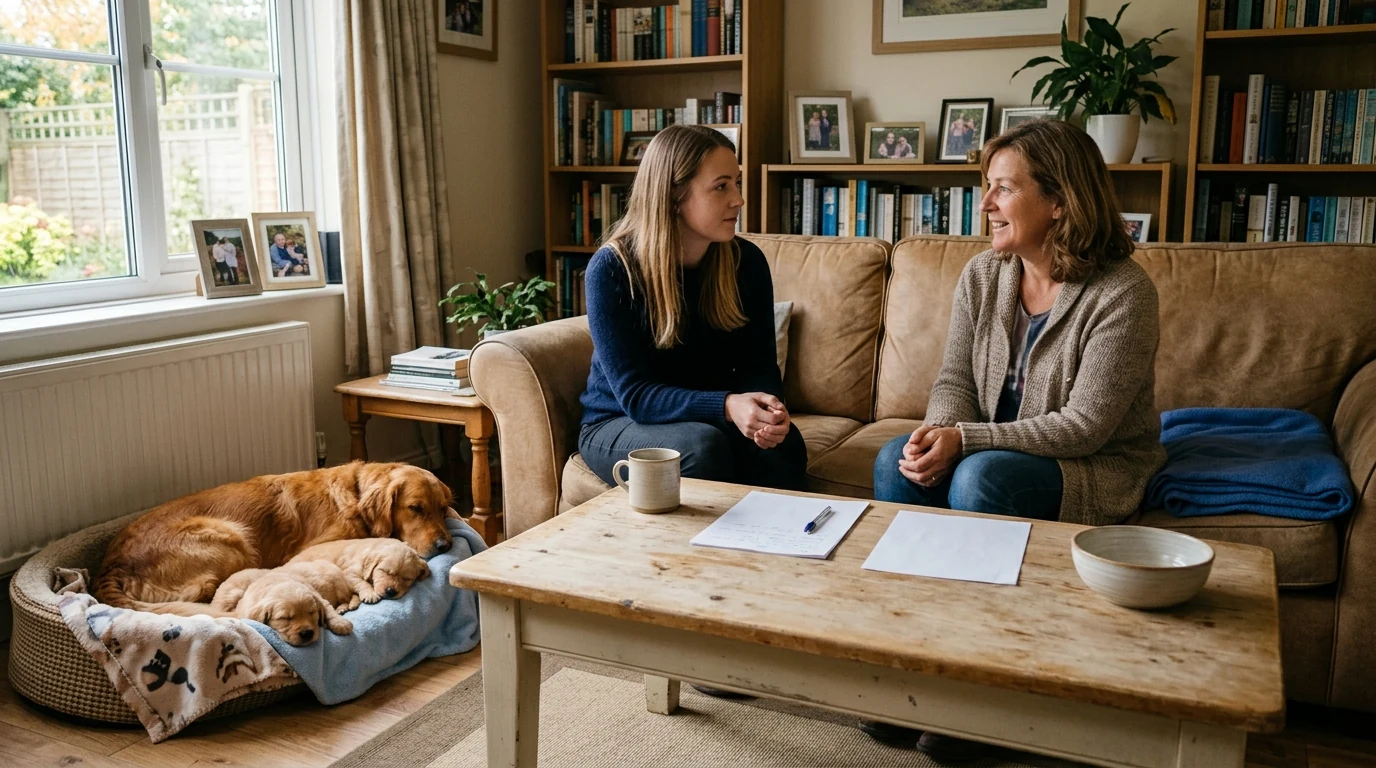
A reputable breeder should be willing to explain how their dogs live, how puppies are raised, and why they chose a particular pairing. Ask to meet the puppy and its mother where the litter is raised, whether in person or by a live video call if travel is impractical; photos and testimonials alone cannot show you the day-to-day environment.
Responsible breeders know which inherited health conditions matter for their breed and can show you the parents’ relevant health-screening results, rather than relying on a general statement that a veterinarian said the dogs are healthy. Ask for the parents’ registered names, the names and dates on test results, and any available registry records so you can confirm that the documents belong to the dogs being bred.
Featured in this guide
Finding a Breeder You Can Trust | Digital Guide on How to Check If a Breeder Is Reputable | Dog Owner’s eBook for Responsible Puppy Buyers | Learn to Spot Red Flags & Verify Breeders with AI Tools
A good breeder should answer specific questions about temperament, early socialization, veterinary care, and what they have observed about each puppy, while also asking about your home and expectations. They should be comfortable discussing whether the breed fits your routine—including exercise, grooming, training, and supervision needs—instead of pushing you toward a quick decision.
Check the product’s listed specifications when evaluating notice how they handle questions and placement.
Read the contract for the puppy’s identity, health and veterinary records, any stated obligations, and what happens if you can no longer keep the dog. Walk away if you are pressured to pay immediately, cannot get clear answers, or are denied reasonable access to the puppy’s living conditions or the parents’ health documentation; for a step-by-step starting point, our team put together Finding a Breeder You Can Trust, our digital guide for responsible puppy buyers.
Check the product’s listed specifications when evaluating review the agreement before you commit.
Confirm the breeder’s identity and contact information, speak with them directly, and independently verify any health-testing or registration records they provide. A registration or club membership can be useful context, but it does not replace seeing how the dogs are cared for and reviewing the paperwork yourself.
Be cautious if a breeder refuses to discuss health testing, will not let you see where puppies are raised, or offers to hand over a puppy without asking you anything. Pressure to send money before you have reviewed the details, vague answers about the puppy’s parents, and promises that a dog can never develop health problems are also reasons to pause.







Leave a comment