Why Cats Knead You: What Their Paws May Mean
Kneading is an alternating push-and-release motion of the front paws, often nicknamed “making biscuits.” Some cats extend their claws with each press; others barely move them. A cat might knead your lap, a blanket, a bed, or another soft surface before settling down.
Kittens knead their mothers while nursing, and many cats continue the motion as adults. That early association helps explain why kneading often appears during restful moments, though it cannot tell you exactly what an individual cat is feeling. The PetMD guide to cat kneading describes several possible reasons for the behavior.
Check the listed dimensions for what kneading looks like—and where it comes from against the available vehicle space before use.
Featured in this guide
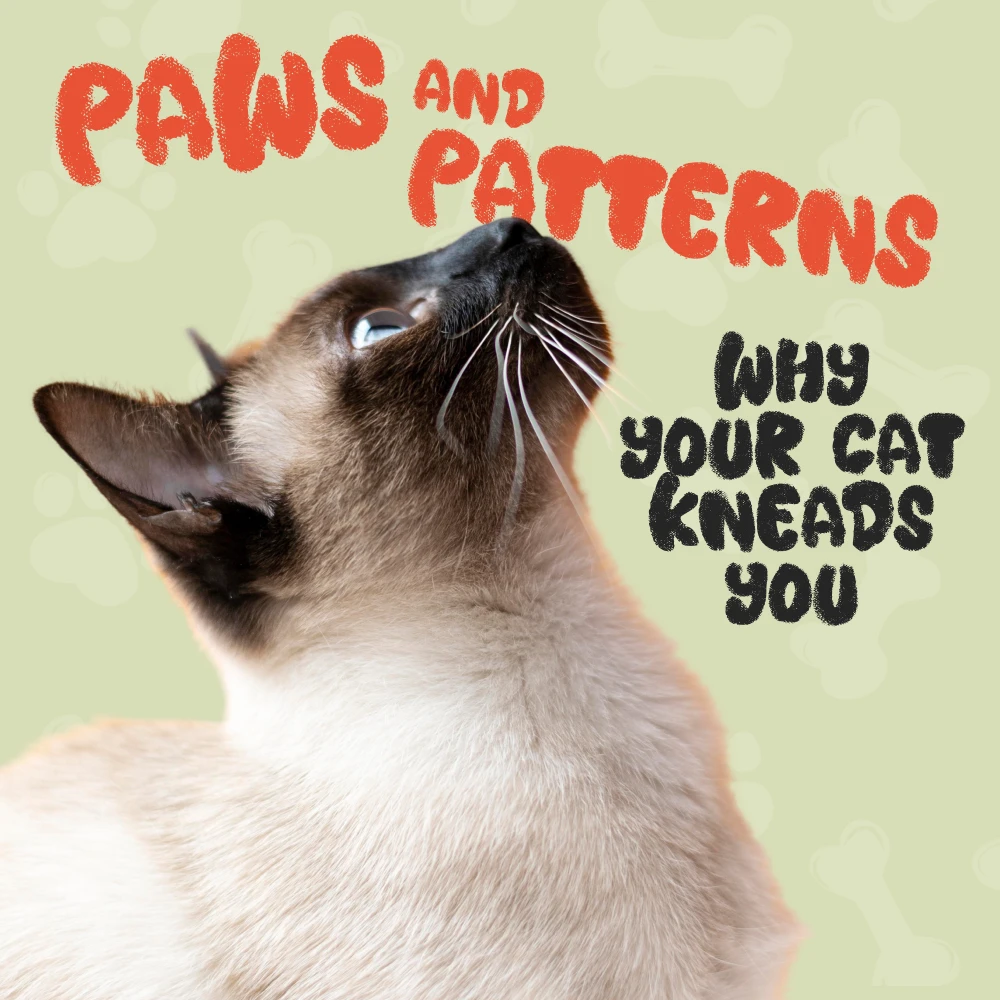
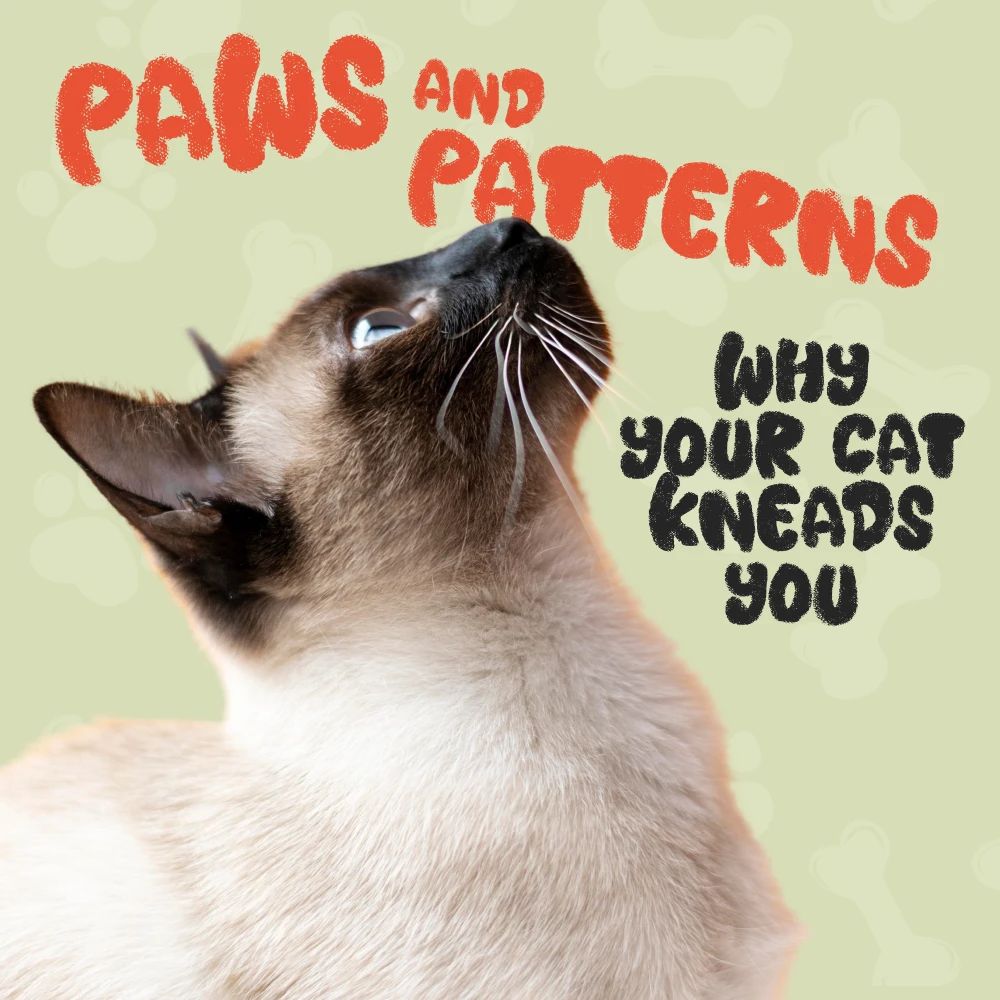
Paws and Patterns: Understanding Why Your Cat Kneads You | Cat Behavior eBook, Feline Psychology Guide, AI Cat Care Manual, Digital Download for Cat Lovers
Warmth, softness, and a familiar routine may make your lap appealing. Cats also have scent glands in their paws, so kneading can leave scent on a surface. A favorite blanket or bed may invite the same behavior.
Look beyond purring: relaxed muscles and slow blinking may accompany a peaceful session, while a tense posture, restless movement, or persistent vocalizing deserves a closer look. No single cue tells the whole story.
Check the listed dimensions for why your lap may be the chosen spot against the available vehicle space before use.
| What you notice | What to consider | What to do |
|---|---|---|
| Relaxed body and slow blinking | Your cat may be settling comfortably. | Let it rest if you are both comfortable. |
| Kneading a blanket before lying down | The surface may be part of its resting routine. | Offer a soft, washable blanket. |
| Claws pressing into your lap | Ordinary kneading can still hurt. | Slip a folded blanket between you. |
| Sudden, intense kneading alongside other changes | The change deserves attention, not a quick interpretation. | Contact your veterinarian if it persists or concerns you. |
A thick lap blanket gives paws somewhere to land. You can also place a soft, washable blanket beside you and gently invite your cat toward it when kneading begins.
Gentle nail care may reduce snagging. If trims are difficult, ask a veterinarian or qualified groomer to demonstrate a low-stress approach. Avoid scolding, startling, holding your cat’s paws, or making it stay on your lap.
A familiar pre-nap ritual differs from kneading that suddenly becomes more intense while your cat is also hiding, eating less, moving differently, or seeming painful. Note when the change began and what else you have observed.
Kneading alone cannot diagnose a medical or behavioral condition. If a new pattern persists, worries you, or appears alongside signs of illness, contact your veterinarian.
Check the listed dimensions for when a change warrants a closer look against the available vehicle space before use.
For a week, notice when and where your cat kneads. Is it before sleep, after dinner, or only on one blanket? Watch the ears, tail, posture, and vocalizations as well. Repeated observations are more useful than assigning a fixed meaning to one paw press.
Compare related options such as Cute Bear Pet Harness Leash Set for Dogs & Cats to match features, dimensions, and use case before choosing.
In art and keepsakes, paw prints often represent a bond with a pet or a memory of one. The meaning depends on the person using the symbol.
Animal paws vary by species and individual, including their shape, pads, toes, and claws. A cat’s paw is built differently from a dog’s, but paw appearance alone cannot explain behavior.
Use a pet-safe, washable print kit and let your cat approach it voluntarily. Keep the session brief, avoid forcing a paw into position, and clean the paw afterward as the kit directs.
Paw shape or a single paw movement cannot reliably reveal a cat’s personality. Look at repeated behavior and body language across different situations instead.








Leave a comment