
50% off on product page · save $2.99
Signs of Stress in New Pets: A First-Week Checklist

A new home can bring unfamiliar sounds, smells, people, and routines all at once. If your newly adopted pet hides or seems unusually restless, slow down and observe rather than assuming you know the cause. A few notes about daily habits can help you make the first days gentler—and give your veterinarian useful details if something concerns you.
Travel, a new feeding schedule, and unfamiliar surroundings can leave a pet unsure where to rest or retreat. There is no universal adjustment timeline: one pet may explore immediately, while another stays close to a quiet corner.
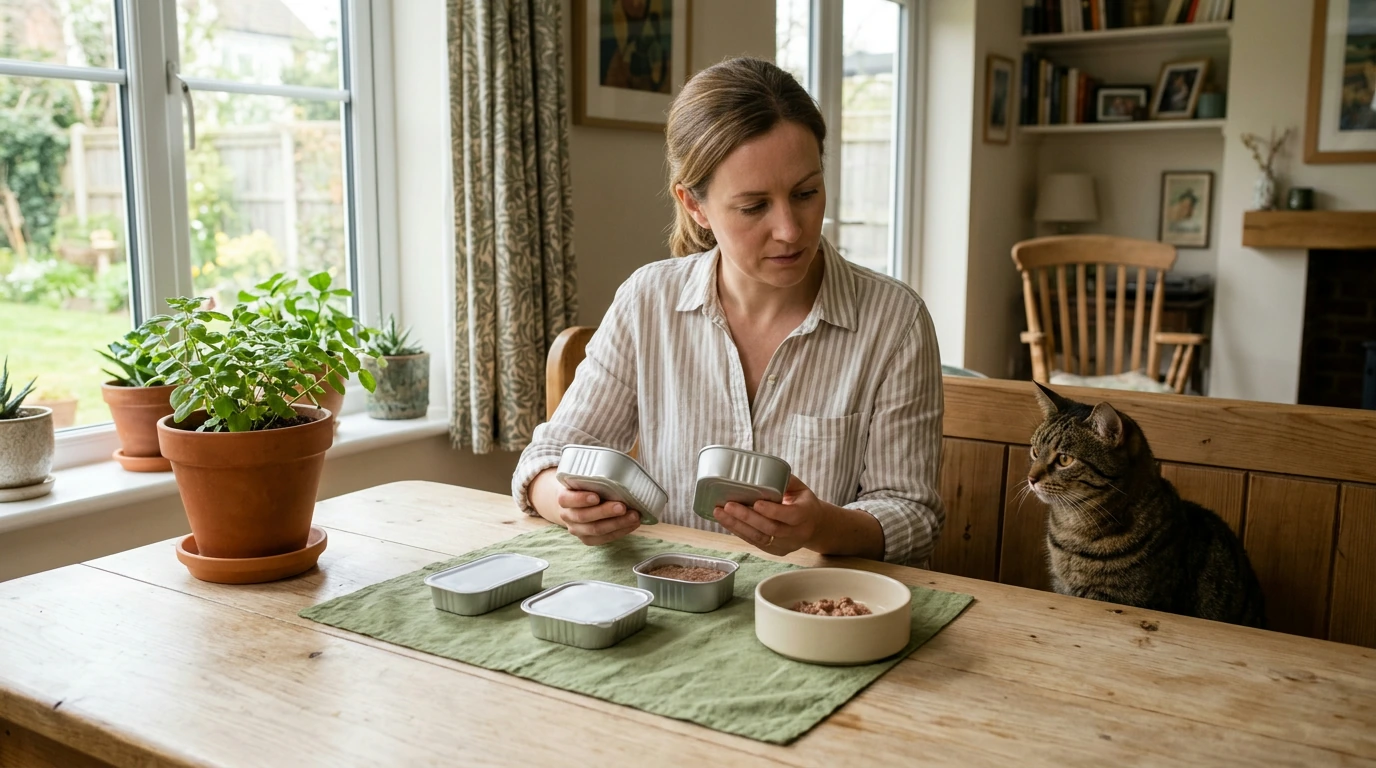
Watch how your pet eats, sleeps, and responds to people. Let contact be their choice rather than pressing for cuddles or introductions.
Check the listed dimensions for give adjustment room against the available vehicle space before use.
Featured in this guide
Spotting Stress in New Pets – Printable Pet Care Checklist | Signs of Stress in New Pets | Digital Download for Pet Parents & Animal Lovers
Hiding, pacing, trembling, frequent vocalizing, or avoiding contact may signal distress. Changes in appetite, sleep, toileting, or grooming also deserve attention. None of these signs establishes stress as the cause. Pain, illness, and other medical issues can look similar.
Look for patterns: Did the behavior begin when visitors arrived? Does your pet settle in a quiet room? Is the change continuing or getting worse? Write down what you see without needing to name the cause.
Provide a quiet resting area with access to water and an appropriate toileting space. Keep meals, walks, play, and bedtime reasonably consistent while allowing for your pet’s individual needs. Introduce people, other animals, and new rooms gradually.
For a dog that is comfortable and ready to play, the Brain Boost Fun for Dogs printable checklist offers enrichment ideas. Play is an option for a willing dog, not a remedy for distress or a reason to delay care.
Contact a veterinarian promptly if your pet refuses to eat, vomits repeatedly, has difficulty breathing, or has trouble urinating. Significant changes in drinking or toileting also warrant a call. Do not assume a new-home transition explains physical symptoms.
Seek veterinary guidance when behavior changes persist, worsen, or are difficult to interpret. After assessing medical concerns, your veterinarian may recommend a qualified behavior professional.
Check the listed dimensions for know when to call against the available vehicle space before use.
Seek veterinary guidance when behavior changes persist, worsen, or are hard to interpret. Once medical concerns have been assessed, your veterinarian may recommend a qualified behavior professional for additional support. For general pet-care information, visit ASPCA Pet Care or the American Veterinary Medical Association’s pet-owner resources.
A calm start does not require a perfectly calm pet. Provide room to adjust, keep track of meaningful changes, and ask for help when your observations raise a concern.
Check the listed dimensions for when to ask for professional help against the available vehicle space before use.
If you mean vaginal spotting, stress may affect menstrual cycles, but sudden spotting has many possible causes. Contact a healthcare professional if it is unexpected, persistent, heavy, or accompanied by pain.
Spotting a week after a period can have several causes, including cycle changes, contraception, or a medical condition. A healthcare professional can help assess new or recurring spotting.
First determine whether the blood is vaginal or rectal; either source can need assessment. Ask a healthcare professional about new or repeated bleeding rather than assuming perimenopause explains it.
Stress can sometimes affect menstrual timing or flow, but a lighter period can have other causes, including pregnancy. Consider a pregnancy test if relevant and seek medical advice for ongoing changes.
Yes. Stress can disrupt the hormones that control ovulation, which may delay a period and sometimes coincide with light spotting. But spotting is not proof that stress is the cause: pregnancy, hormonal birth control, infections, and other health conditions can also cause unexpected bleeding.








Leave a comment