25% off on product page · save $25.66
Safer Car Rides for Dogs and Cats: A Simple Checklist

Decide where your pet will ride before you load the car. The back-seat area is a better choice than the front seat, where an airbag can put a pet at risk. A pet riding loose can also move into the driver’s space or become a distraction during a sudden stop.
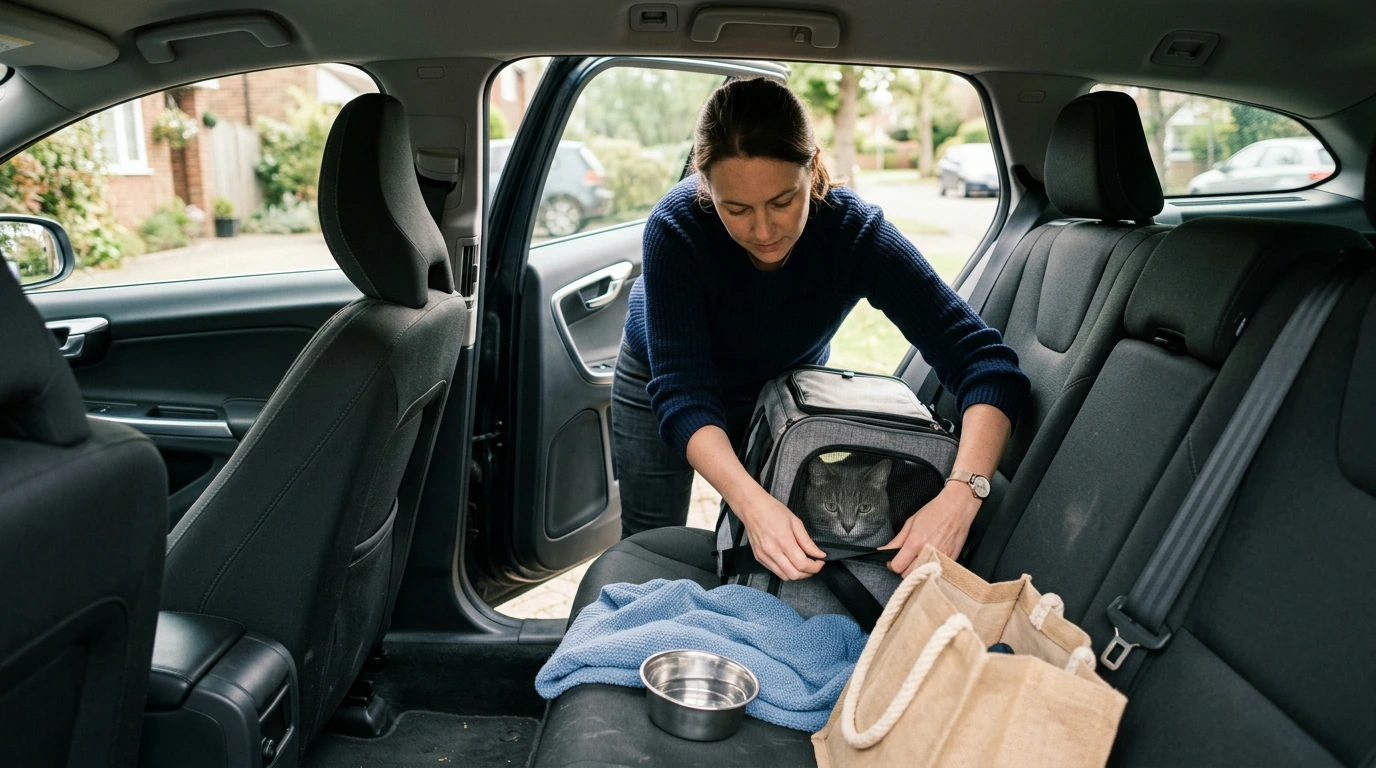
Depending on your pet and vehicle, consider a carrier, crate, or vehicle restraint designed for your pet’s size. Follow the restraint manufacturer’s directions for fit, placement, and installation; a carrier is not secured simply because it is sitting on a seat. If you’re comparing travel equipment, the Center for Pet Safety offers information about pet travel products and testing.
Keep your pet off your lap and out of the footwell. An open window is not a substitute for a secure setup, either. Once you have chosen a place, use it consistently so your pet can get used to the same loading routine.
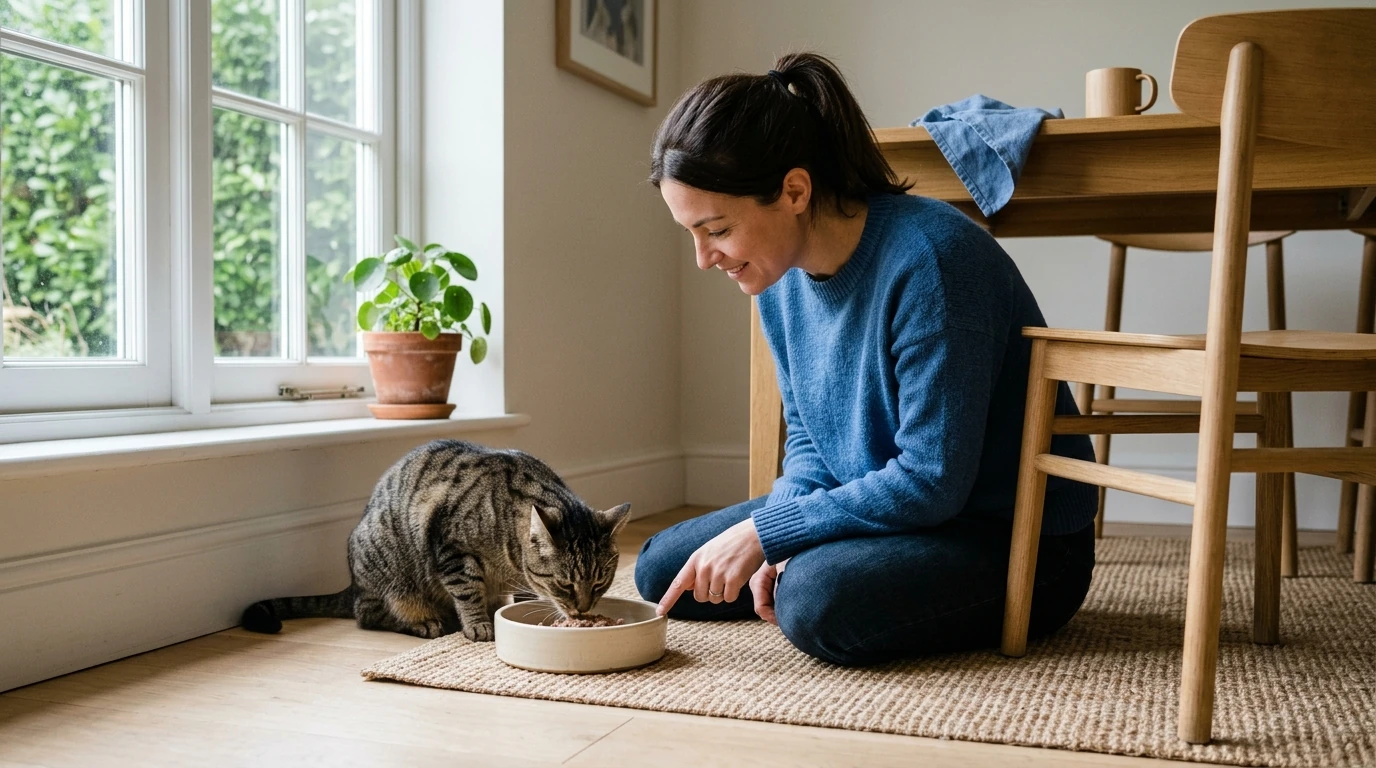
Give your pet time to become familiar with the routine. Start with a few quiet minutes in the parked car, then try a short drive. For a cat, practice entering the carrier at home first. For a dog, practice approaching the car calmly and settling into the restraint.
Familiar bedding may help if it fits without interfering with the setup. Keep loose toys and other objects out of your pet’s riding space. If rides cause marked distress, frequent vomiting, or other concerning signs, ask your veterinarian for advice before traveling again.
Check the product’s listed specifications when evaluating practice before the longer drive.
Featured in this guide
Safe Pet Rides | How to Make Car Rides Safe for Pets | Digital Guide for Dog & Cat Owners | Pet Travel Safety eBook | Printable Checklist for Stress-Free Pet Trips
Confirm that the restraint is fitted and installed as directed. Make sure your pet’s identification and contact details are current, and pack water and any supplies needed for the journey. On longer drives, plan stops that suit your pet and route.
Never leave your pet alone in a parked vehicle, even for a short errand. If you cannot keep your pet supervised during a stop, arrange a different plan before you go. Our Safe Pet Rides printable checklist gives you a repeatable prompt for everyday outings and longer trips.
A useful routine is one you can repeat when you’re busy. Our Safe Pet Rides guide is a step-by-step planning aid for dog and cat owners, with a printable checklist you can use before each drive. Keep it alongside the instructions for your vehicle and pet restraint, and turn to your veterinarian for advice specific to your pet’s health or travel difficulties.
If you’re working on calm car-loading behavior with a dog, you may also find ideas for at-home activities in our Brain Boost Fun for Dogs printable checklist. Use that kind of practice before a trip; it does not take the place of securing your dog in the vehicle.
Car travel and train travel have different rules. If your plans include Amtrak, review its current pet policy before booking rather than assuming your car setup or carrier will qualify for the train.
Before choosing, compare the product details with your daily routine, available space, care needs, and preferred setup. The strongest option is usually the one that fits the intended use clearly and remains simple to clean, store, and check before repeat use.
It is also worth checking measurements, material notes, included parts, and compatibility details so the item matches the way it will be used after delivery.
Have your dog ride secured in the back-seat area in an appropriately fitted carrier, crate, or restraint installed according to its instructions. The front seat and a driver’s lap introduce avoidable risks.
A 60-pound dog does not qualify under Amtrak’s standard pet policy, which limits the combined weight of the pet and carrier to 20 pounds. Service animals follow different rules; check Amtrak’s current policy before booking.








Leave a comment