50% off on product page · save $4.99
The Considered Guide to Choosing Pet Shampoo
Dogs, cats, and people have different skin characteristics. Human shampoo—and especially dish detergent—may contain cleansers, fragrances, or other ingredients that are too harsh for routine pet bathing. A suitable pet shampoo removes debris and excess oil without unnecessarily stripping the coat.
Species-specific labeling is particularly important. Ingredients considered acceptable for dogs may not be safe for cats, especially certain pest-control substances and concentrated essential oils. The FDA offers additional guidance on the safe use of flea and tick products for pets.
Shampoo is not a substitute for veterinary care. Persistent itching, sores, hair loss, unusual odor, parasites, or recurring infections require professional evaluation.
Featured in this guide
How to Choose the Right Pet Shampoo | Digital Guide for Pet Owners | Pet Care eBook | Pet Grooming Checklist | Dog & Cat Bathing Tips | Natural Ingredient Pet Shampoo Advice
Confirm the intended species and age range first. Puppies, kittens, adults, and senior pets can have different sensitivities. Then consider coat length, density, texture, shedding, and oil production. Long or double coats deserve particular attention because shampoo may remain close to the skin if rinsing is rushed.
For dryness or a history of irritation, consider a simple, fragrance-light formula. The word hypoallergenic does not guarantee that every animal will tolerate a product. Ask a veterinarian before using medicated shampoo for suspected allergies, parasites, or bacterial or fungal conditions.
Check that the packaging clearly identifies the intended species and provides manufacturer information. Review the full ingredient list instead of relying on words such as natural , clean , herbal , or gentle . Natural origin does not automatically make an ingredient safe or non-irritating.
Directions should address dilution, application, contact time, rinsing, storage, and frequency of use. The label should also explain what to do after accidental eye contact or ingestion. Treat claims about infections, inflammation, or parasites cautiously and consult a veterinarian before selecting therapeutic products.
Inspect the container before every bath. Discard shampoo that is expired, leaking, discolored, unusually separated, or noticeably different in odor or texture.
Oatmeal and pet-safe moisturizing agents are commonly included in formulas for dry or easily irritated skin. Their effects depend on the complete formulation and the individual animal.
Botanical ingredients and essential oils can still cause irritation, allergic reactions, or toxicity. Cats are particularly vulnerable to some concentrated plant compounds. Do not prepare homemade shampoo with essential oils, vinegar, detergents, or household products without veterinary guidance. The ASPCA maintains information about household products that can be toxic to pets.
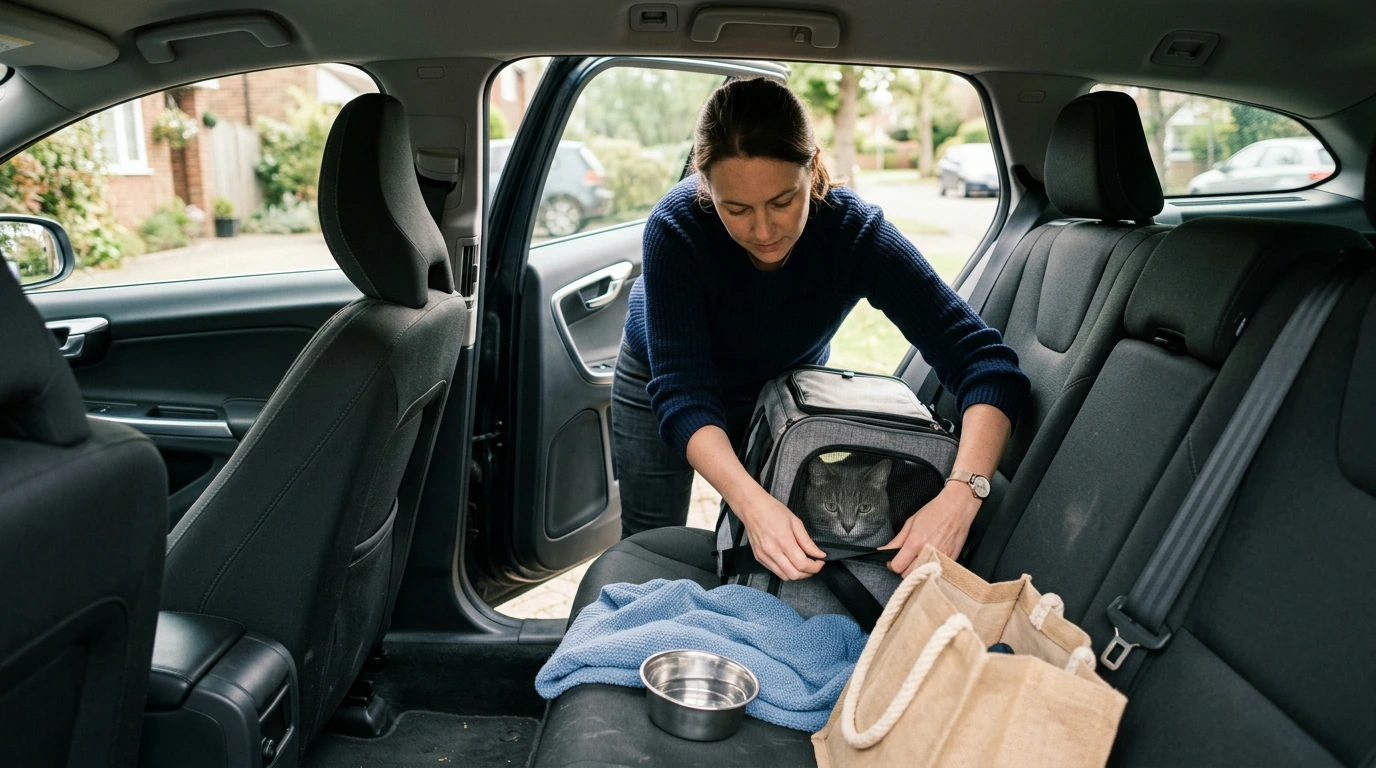
Check the listed dimensions for natural ingredients still require judgment against the available vehicle space before use.
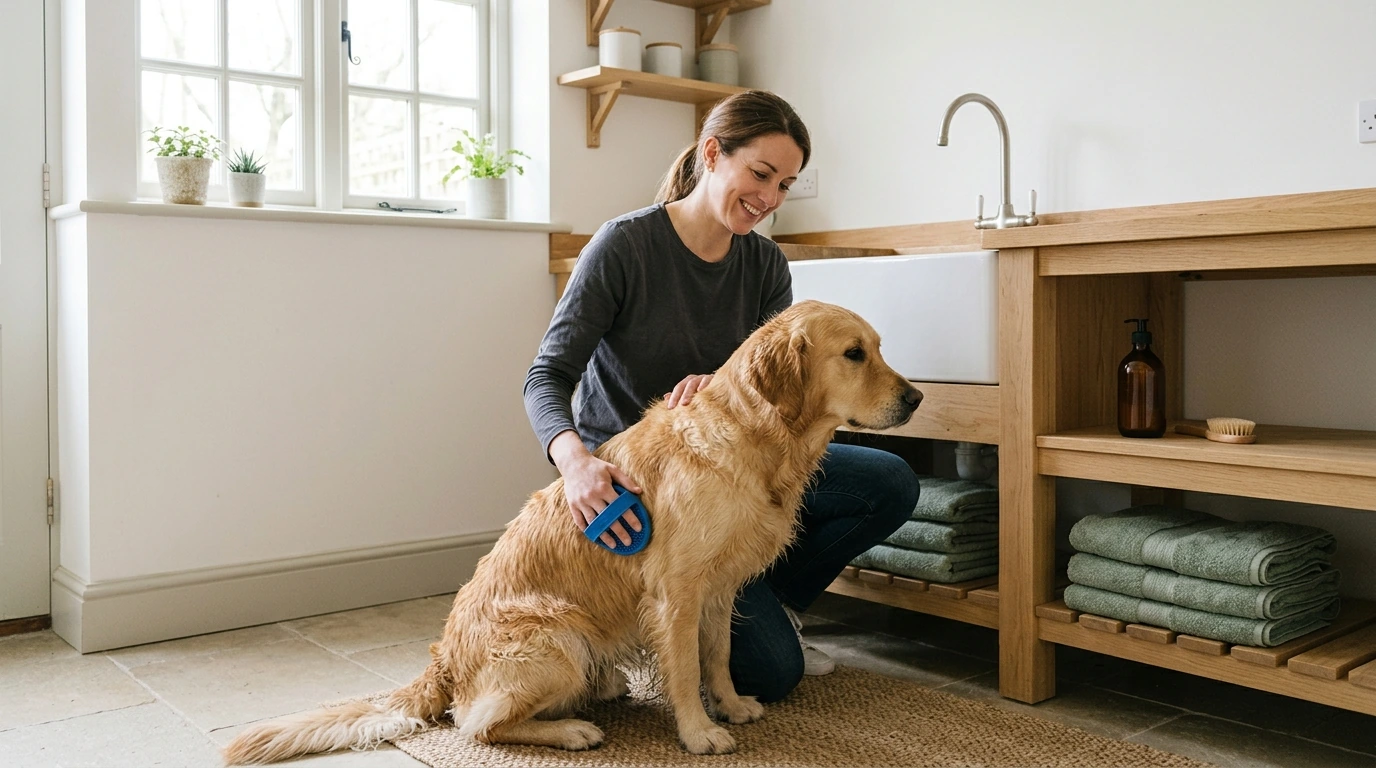
Preparation reduces unnecessary handling once the bath begins. Keep every supply within reach, maintain secure footing, and work methodically from application through the final rinse.
The How to Choose the Right Pet Shampoo digital guide provides a downloadable reference for comparing formulas and organizing bath-time decisions.
Common mistakes include using human products, bathing excessively, leaving residue in a dense coat, or combining medicated shampoos and topical parasite treatments without professional direction. Masking persistent odor with fragrance can also delay diagnosis of dental, ear, anal gland, yeast, bacterial, or skin problems.
Stop using the shampoo and contact a veterinarian after swelling, hives, intense scratching, vomiting, drooling, weakness, breathing difficulty, or unusual behavior. Professional groomers should also follow appropriate safety practices; the AVMA provides advice about selecting a groomer for your pet.
Check the listed dimensions for avoid the mistakes that complicate bath time against the available vehicle space before use.
Record the shampoo name, intended species, date opened, instructions, and your pet’s response. Include pre-bath brushing, nail checks, water-temperature testing, thorough rinsing, and post-bath monitoring.
Note changes in redness, dandruff, itching, odor, hair loss, or coat texture so patterns can be shared with a veterinarian. A printable pet health and longevity checklist can keep grooming records, dental care, veterinary visits, nutrition, enrichment, and recurring wellness tasks together.
“Choose” is the present-tense verb, while “chose” is its past-tense form. You choose shampoo today, but you chose a product yesterday.
The 10-10-10 rule asks how a decision may feel or matter in 10 minutes, 10 months, and 10 years. For pet products, immediate safety and veterinary guidance should take priority over this general decision tool.









Leave a comment