35% off on product page · save $9.69
Homemade Dog Treats: Start With Your Dog

Before choosing a recipe, consider the dog who will eat it. A small dog may need a much smaller reward than a large one. Age, activity level, allergies, and medical conditions can also change which ingredients and portions make sense. If your dog has a dietary restriction or health condition, ask your veterinarian before changing their snacks. That conversation is especially useful when you’re unsure whether a new ingredient belongs in their routine.
Homemade doesn’t automatically mean healthier. A treat can contain dog-safe ingredients and still be too large or offered too often. Start by considering the whole day: regular meals, training rewards, and any snacks other people in your household may give. When everyone knows what counts as a treat, it’s easier to keep an occasional pleasure from becoming an unnoticed extra meal.
Confirm every ingredient is safe for dogs. Avoid chocolate, grapes, raisins, onions, and xylitol; a familiar human food is not automatically suitable for your dog. Choose a size and firmness your dog can chew comfortably, and supervise snack time.
Introduce one new food at a time, starting with a small amount so you can watch for digestive upset. Keep treats a small part of your dog’s daily food intake, including the little pieces used during training. Your veterinarian can help if you need an individual portion plan.
Featured in this guide
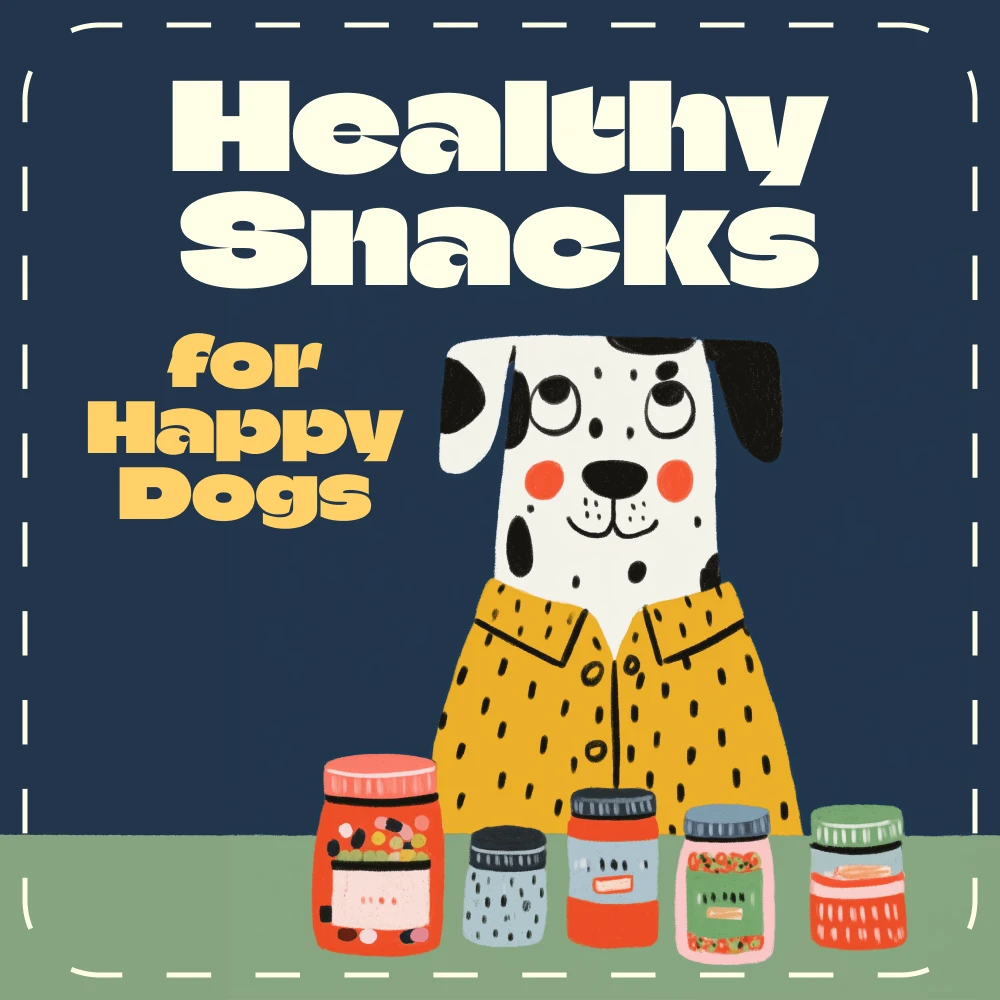
Healthy Snacks for Happy Dogs | eBook for Pet Lovers | Learn How to Make Your Own Dog Treats at Home | DIY Natural & Healthy Dog Snack Recipes for Every Pup
Choose one recipe from our eBook that suits your dog’s needs, then make a modest batch. Offer an appropriately sized piece before making more. Follow the recipe’s storage guidance and discard treats that show signs of spoilage.
A suitable treat can also become a few small training rewards. If you want activities to pair with them, our Brain Boost Fun for Dogs printable checklist offers mental-stimulation games and DIY enrichment activities. Keep sessions suited to your dog, and pause if they seem tired or uninterested.
You don’t need to turn snack time into a big kitchen project. Pick one recipe, review its ingredients against your dog’s needs, and prepare a small batch. Offer an appropriately sized piece, then see how your dog does before making more. A small first batch also gives you room to learn whether the recipe is convenient to prepare, portion, and store in your household.
Our Healthy Snacks for Happy Dogs eBook offers homemade dog-snack recipe ideas when you’re ready to begin. Choose an idea that fits your dog rather than making every recipe just because it sounds appealing. You can break a suitable treat into small pieces for a game or training session, keeping track of how much your dog receives along the way.
If you’d like activity ideas to pair with those rewards, our Brain Boost Fun for Dogs printable checklist focuses on mental-stimulation games and DIY enrichment activities. Treats can be one part of playtime; your attention, a familiar cue, and a short, enjoyable session matter too. Keep the activity suited to your dog, and pause if they seem tired or uninterested.
A snack you enjoy isn’t necessarily one you should share. “Wholesome” describes how a food sounds to us, not whether each of its ingredients is safe for dogs. Take the extra moment to check before offering a bite, even when it comes from your own kitchen.
When you’re ready, explore the Healthy Snacks for Happy Dogs eBook, select a recipe that fits your dog’s needs, and make a modest first batch. Then let the best part be simple: a relaxed moment together, with a treat that belongs in the routine you’ve chosen for your dog.
For dogs, small portions of dog-safe foods or appropriately sized homemade treats can be enjoyable. Check every ingredient, and ask your veterinarian about any dietary restrictions.
No particular nighttime snack can guarantee that for a person; overall eating patterns and portions matter. If you mean a snack for your dog, choose a dog-safe treat and count it within their daily food intake.
If your dog seems hungry, a treat shouldn’t replace their regular meal. Talk with your veterinarian if persistent hunger is a concern.







Leave a comment