35% off on product page · save $5.92
Does My Dog Really Need Supplements? Safety Guide

Many healthy dogs do not need supplements if they eat a complete and balanced commercial diet appropriate for their life stage. Supplements may be useful when a veterinarian identifies a deficiency, health condition, dietary gap, or age-related need.

Check the food label for an AAFCO nutritional adequacy statement and confirm that the formula matches your dog’s growth, adult maintenance, or reproductive stage. Dogs eating homemade, raw, or restricted diets should have their recipes evaluated by a board-certified veterinary nutritionist.

Featured in this guide
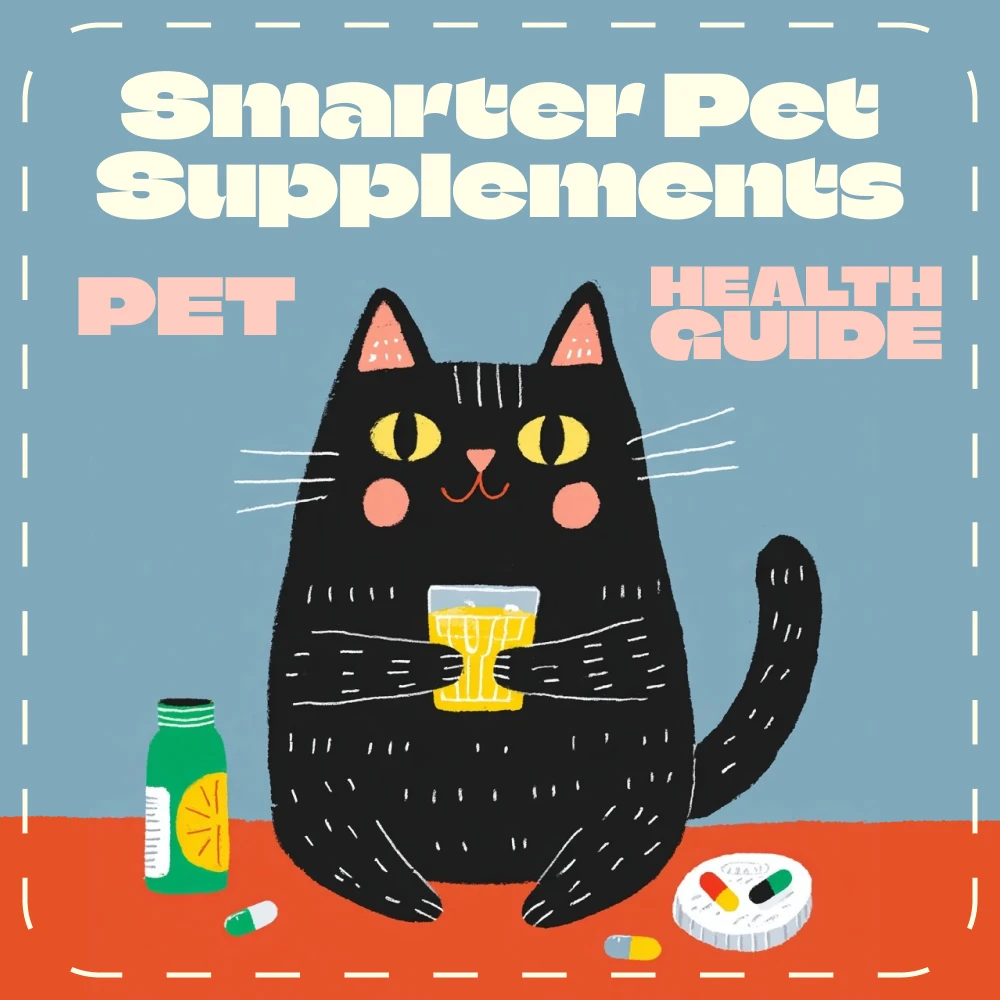
The Guide to Smarter Pet Supplements | Digital Pet Health Guide & Pet Supplements Checklist for Dogs & Cats | Wellness eBook for Pet Owners & Pet Businesses
Veterinarians may recommend omega-3 fatty acids for certain skin or joint concerns, probiotics for specific digestive problems, or targeted nutrients for a diagnosed deficiency. Ask your veterinarian to calculate the correct dose using your dog’s weight, diet, medications, and health history.
More is not always better: excess vitamin A, vitamin D, calcium, and other nutrients can cause serious harm. Choose products made for dogs, follow measured dosing instructions, and look for independent quality testing or the National Animal Supplement Council quality seal.
Bring the supplement label and ingredient list to your dog’s next veterinary appointment, especially if your pet takes medication or has liver, kidney, or digestive disease. For a broader checklist, read the smarter pet supplements guide for dogs and cats.
Watch · product page video
“This guide is a lifesaver! I’ve been struggling with my pet’s supplement plan, but this makes it so much easier. It’s simple yet expert advice that anyone can follow. 🐾”
Amoriano product page · Product review
Several illnesses are called silent killers for dogs, including heart disease, kidney disease, internal bleeding, and some cancers. Routine examinations and bloodwork can detect problems before obvious symptoms develop.
Vitamin deficiencies in dogs may cause poor growth, weakness, skin or coat changes, appetite changes, vision problems, or neurological symptoms. Because these signs can indicate many diseases, veterinary testing is needed before supplementation.











Leave a comment