
Do Dogs Wag Their Tails When They Are Happy?

Dogs often wag their tails when they feel happy or excited, especially when they greet someone they trust, anticipate a walk, or enjoy a favorite game. A relaxed, loose wag paired with a soft face and a wiggly body can be a good sign that your dog is comfortable and pleased to see you.
Tail wagging alone, however, does not always mean happiness: it can also signal excitement, uncertainty, frustration, or a heightened state of attention. We recommend looking at your dog’s whole body and the situation before deciding what the wag means, particularly when your dog is meeting a new person or animal.
Check the product’s listed specifications when evaluating yes, happy dogs often wag their tails.
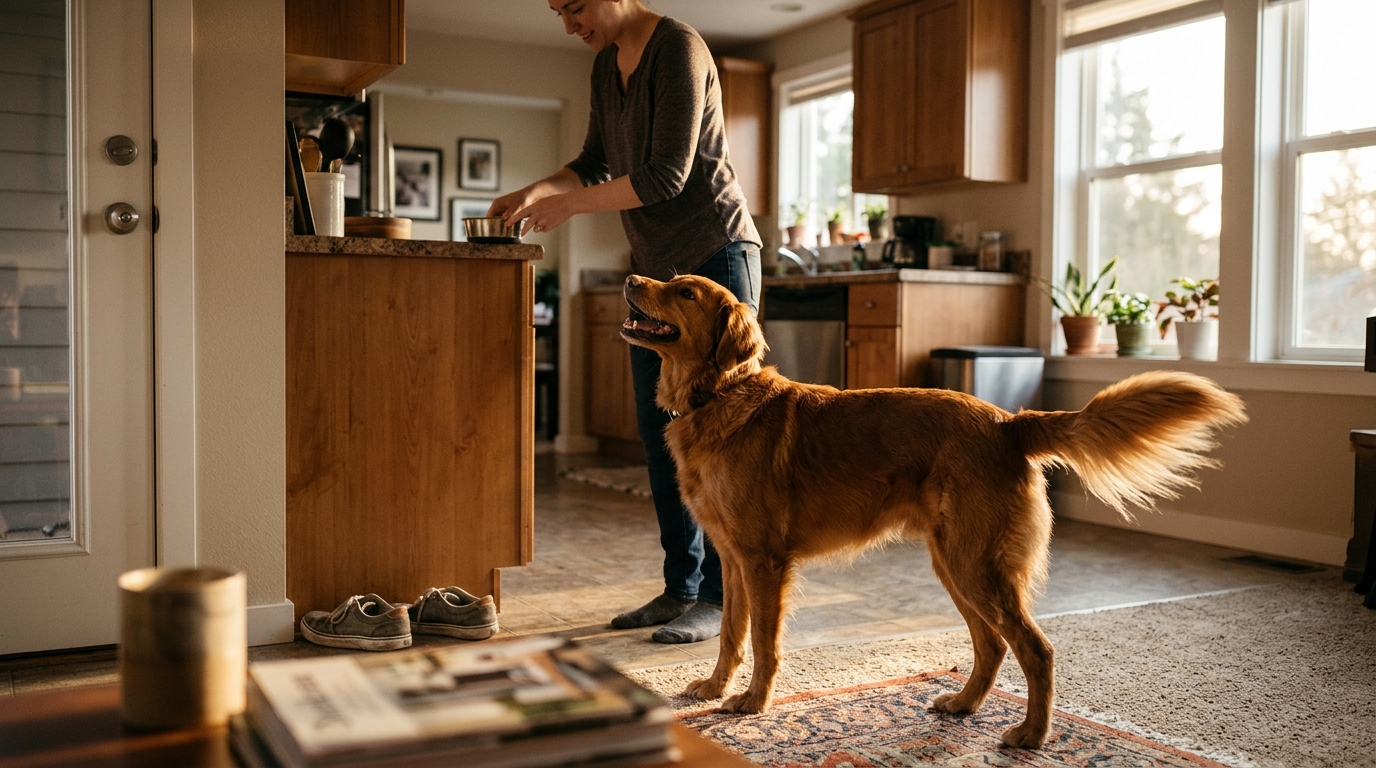
A dog who is enjoying an interaction may have relaxed ears, soft eyes, an easy posture, and a tail that moves freely, sometimes with the whole rear end swaying along. You might also see your dog approach willingly, lean into gentle contact, or make a playful bow with the front legs stretched forward.
By contrast, a stiff body, fixed stare, tense mouth, or rigidly held tail can suggest that your dog needs more space, even if the tail is moving. Tail positions vary among breeds and individual dogs, so it helps to learn what your own dog’s relaxed posture normally looks like rather than relying on a single tail height.
Check the product’s listed specifications when evaluating read the whole dog, not just the tail.
Featured in this guide
Happy Tummies, Wagging Tails: The Smart Guide to Using Probiotics for Your Dog | Dog Health eBook | Canine Digestive Wellness | Pet Probiotic Care | Digital Download
When your dog looks loose and relaxed, you can enjoy the moment with gentle attention or a game, while allowing your dog to move away whenever they choose. If you notice stiffness or your dog seems unsure, pause the interaction, give them room, and let them approach again at their own pace.
We also encourage you to teach children to look for a relaxed body rather than assuming a wagging tail is an invitation to hug or pet a dog. Watch for changes during play and greetings, since a dog’s comfort level can shift as the situation becomes more exciting or crowded.
Check the product’s listed specifications when evaluating respond to what your dog is telling you.
Getting familiar with your dog’s usual behavior can make it easier to notice when something changes, whether that involves energy, appetite, or social interactions. If a behavioral change is sudden or your dog seems uncomfortable, contact your veterinarian for guidance rather than treating tail movement as a measure of health.
For readers interested in digestive care, our team offers Happy Tummies, Wagging Tails: The Smart Guide to Using Probiotics for Your Dog, a digital dog health eBook about canine digestive wellness and probiotic care. You can also explore our guide to choosing and tracking a dog probiotic trial for more on that topic.
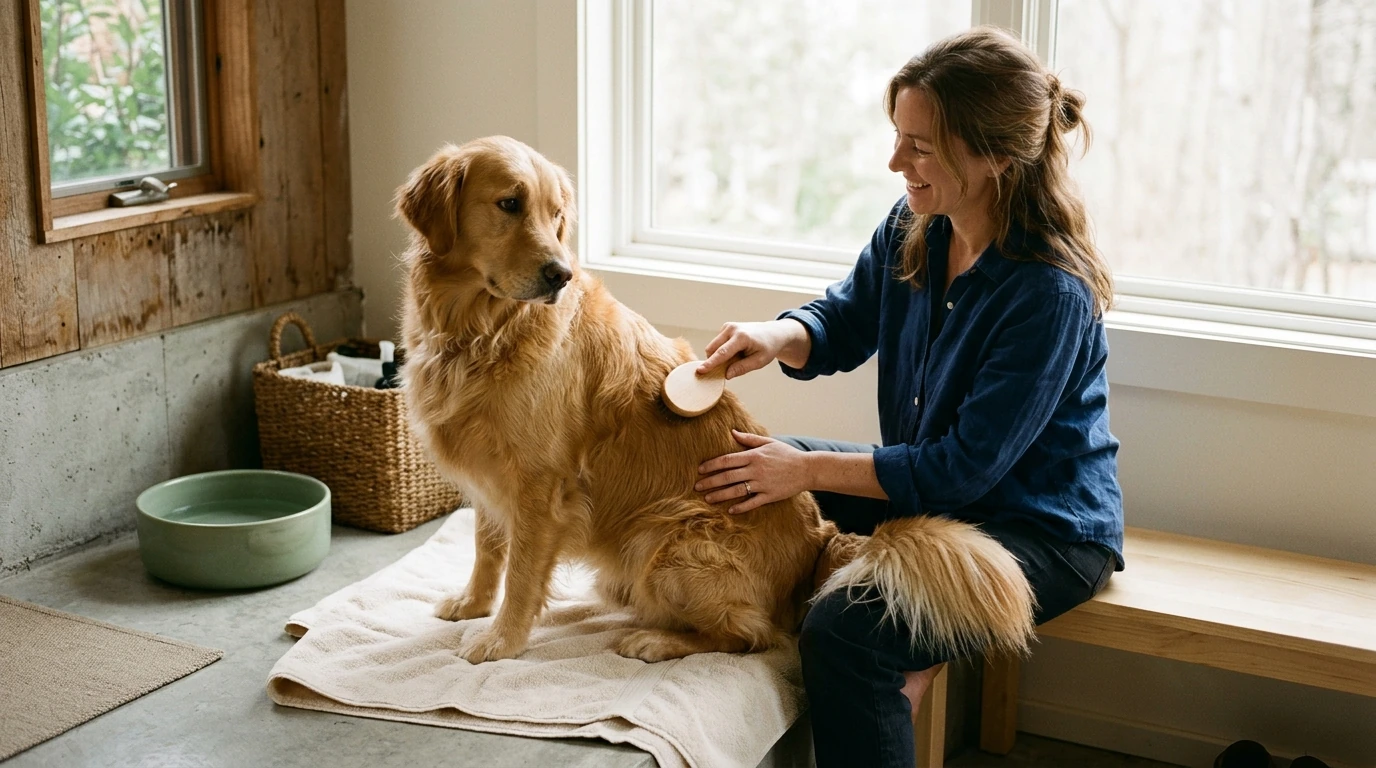
Dogs may show affection by seeking your company, leaning against you, greeting you with a relaxed body, or choosing to rest nearby. Each dog has individual preferences, so notice the ways your dog comfortably initiates contact rather than expecting a particular gesture.







Leave a comment