35% off on product page · save $5.92
Do Dogs Actually Need Supplements? A Safety Guide

Most healthy dogs eating a complete and balanced commercial diet do not automatically need supplements. Products can be useful when they address a diagnosed deficiency, a health condition, a life-stage concern, or a veterinarian-identified nutritional gap.

Check the food label for an Association of American Feed Control Officials statement confirming the diet is complete and balanced for your dog’s life stage. Measure portions accurately, and include treats, toppers, and chews when reviewing total calorie and nutrient intake.
Dogs eating homemade, raw, or heavily customized diets have a greater risk of imbalance. Ask a board-certified veterinary nutritionist to formulate or evaluate these meals rather than adding a general multivitamin.
Featured in this guide
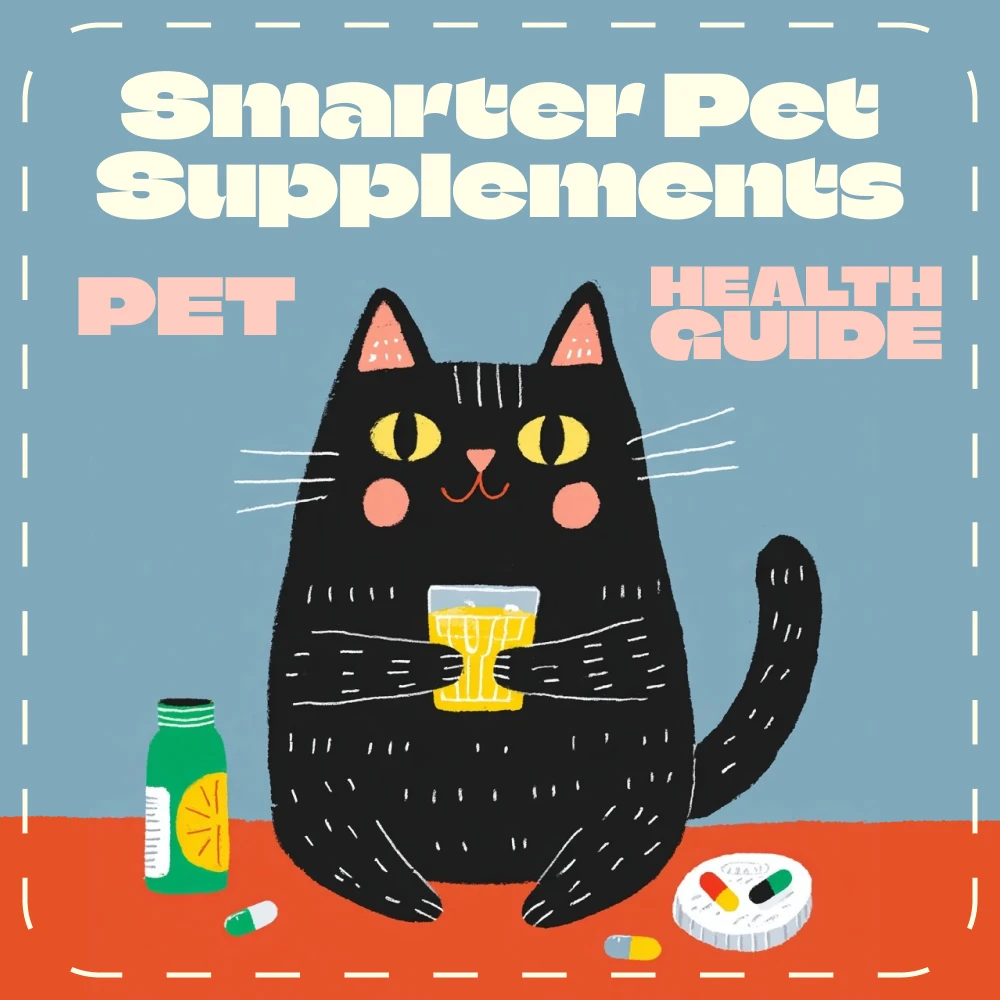
The Guide to Smarter Pet Supplements | Digital Pet Health Guide & Pet Supplements Checklist for Dogs & Cats | Wellness eBook for Pet Owners & Pet Businesses
A veterinarian may recommend specific ingredients for joint support, digestive health, skin concerns, or a laboratory-confirmed deficiency. For example, omega-3 fatty acids are sometimes used for inflammatory conditions, but the appropriate amount depends on the product’s EPA and DHA content—not simply the total fish oil measurement.
Bring the supplement label and your dog’s current medication list to an appointment. This gives the veterinarian the information needed to check dosage, ingredient overlap, and compatibility.
Excess calcium can interfere with skeletal development in growing large-breed puppies, while too much vitamin D may cause serious toxicity. Human supplements can also contain unsuitable doses or ingredients such as xylitol, which is dangerous for dogs.
Do not combine multiple products with the same active ingredients unless your veterinarian approves the total daily amount. Stop use and seek veterinary guidance if vomiting, diarrhea, itching, weakness, or appetite changes develop.
Select a product that lists active ingredients and amounts per chew, capsule, scoop, or milliliter. Look for a lot number, expiration date, manufacturer contact details, clear storage instructions, and independent quality testing when available.
Choose the dosage form your dog can take consistently without adding excessive calories. For a broader evaluation checklist, read the smarter pet supplements guide for dogs and cats.
Watch · product page video
“This guide is a lifesaver! I’ve been struggling with my pet’s supplement plan, but this makes it so much easier. It’s simple yet expert advice that anyone can follow. 🐾”
Amoriano product page · Product review
Your dog may not need supplements if they eat a complete and balanced diet and have no identified health or nutritional concerns. Ask your veterinarian to review the diet, health history, medications, and any laboratory results before adding one.
The 7 7 7 rule for dogs generally refers to an early puppy-socialization checklist involving varied people, places, surfaces, containers, toys, and experiences by about seven weeks of age. It is not a supplement guideline, and exposure should remain controlled, positive, age-appropriate, and consistent with veterinary vaccination advice.










Leave a comment