61% off on product page · save $37.14
Ceramic vs Plastic Cat Bowls: Which Do Cats Prefer?
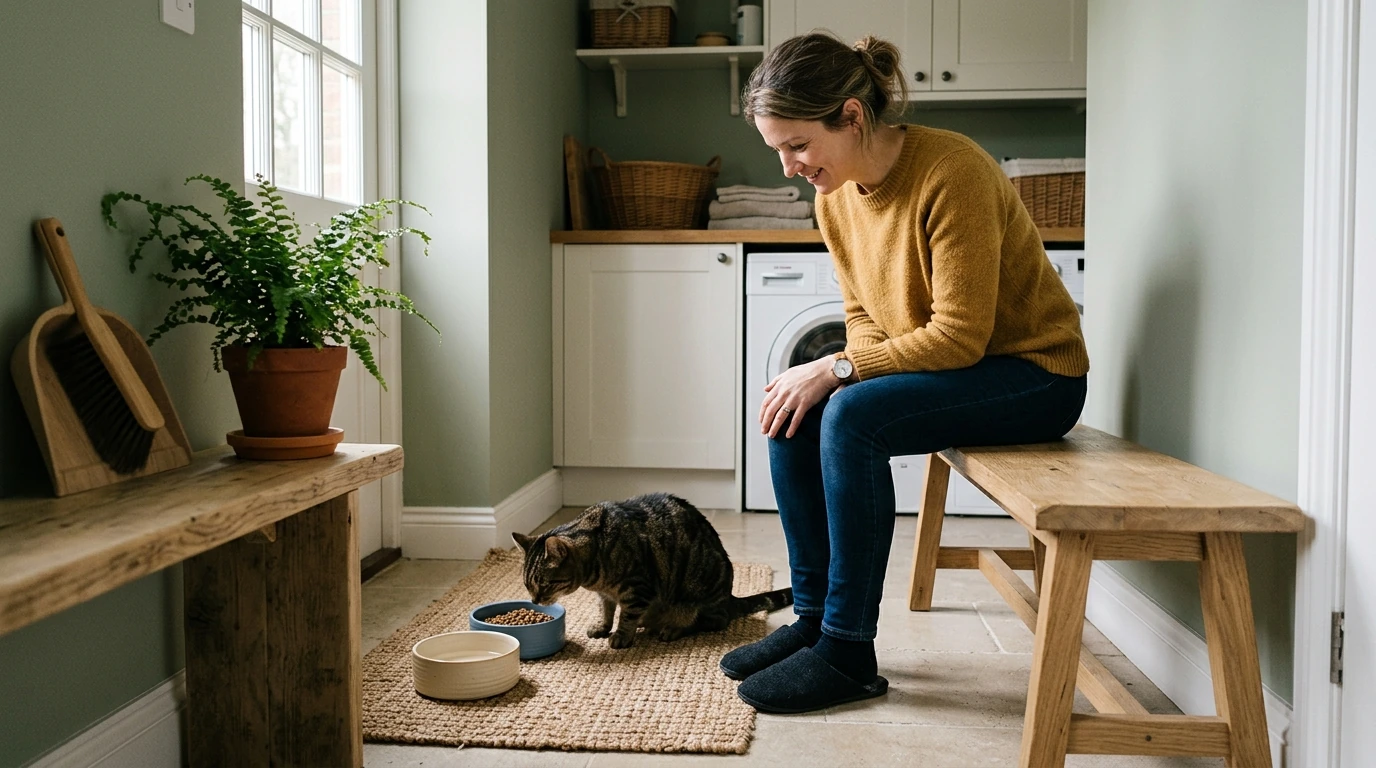
Many cats are more comfortable eating and drinking from ceramic bowls than plastic ones. Ceramic is sturdy, odor-resistant, and less likely to retain food residue when properly glazed. Plastic bowls are lightweight and inexpensive, but scratches can trap bacteria and odors that may discourage sensitive cats.

Cats have a strong sense of smell, so lingering food odors can affect whether they use a bowl. Plastic can absorb smells over time, while glazed ceramic generally provides a smoother, easier-to-clean surface. Some cats also develop chin irritation or feline acne after repeated contact with worn plastic.
Choose a food-safe, lead-free ceramic bowl without cracks or chips. Wash it daily with mild dish soap, and replace it if the glaze becomes damaged.
Featured in this guide
Anti-Tip Ceramic Cat Bowl – Non-Slip, Anti-Vomiting Pet Feeder with Flower Design
A cat may reject a high-quality bowl if it is narrow or deep. Wide, shallow bowls help prevent the sides from pressing against sensitive whiskers. For most adult cats, look for a dish roughly 5 to 7 inches wide with low edges.
A heavy ceramic base can also keep the bowl from sliding across the floor. Place it in a quiet location away from the litter box and busy household traffic.
Plastic can work for travel or temporary feeding because it is light and difficult to break. If you use it, select BPA-free, food-grade plastic and inspect the surface frequently for scratches, discoloration, or persistent odors.
For everyday use, ceramic is often the better option if your cat prefers a stable bowl and you can clean it regularly. Explore the full comparison of ceramic and plastic cat bowls for more factors to consider.
Watch · product page video
“Love this bowl! It’s stable, doesn’t tip over and my cat can’t make a mess anymore. 🐱👍”
Amoriano product page · Product review
Ceramic bowls are often better for cats because glazed surfaces resist odors and are easy to wash. Choose food-safe ceramic and stop using any bowl that becomes chipped or cracked.
The best anti-vomiting bowl for cats is typically a wide, shallow slow-feeder that reduces gulping without forcing an unnatural posture. A stable base and appropriately sized ridges can help cats eat more slowly.
Cats may prefer either stainless steel or ceramic bowls for water because both materials resist odors when kept clean. Ceramic is heavier, while stainless steel is durable and less likely to break.











Leave a comment