Senior Cat Eating Less? When to Call the Vet
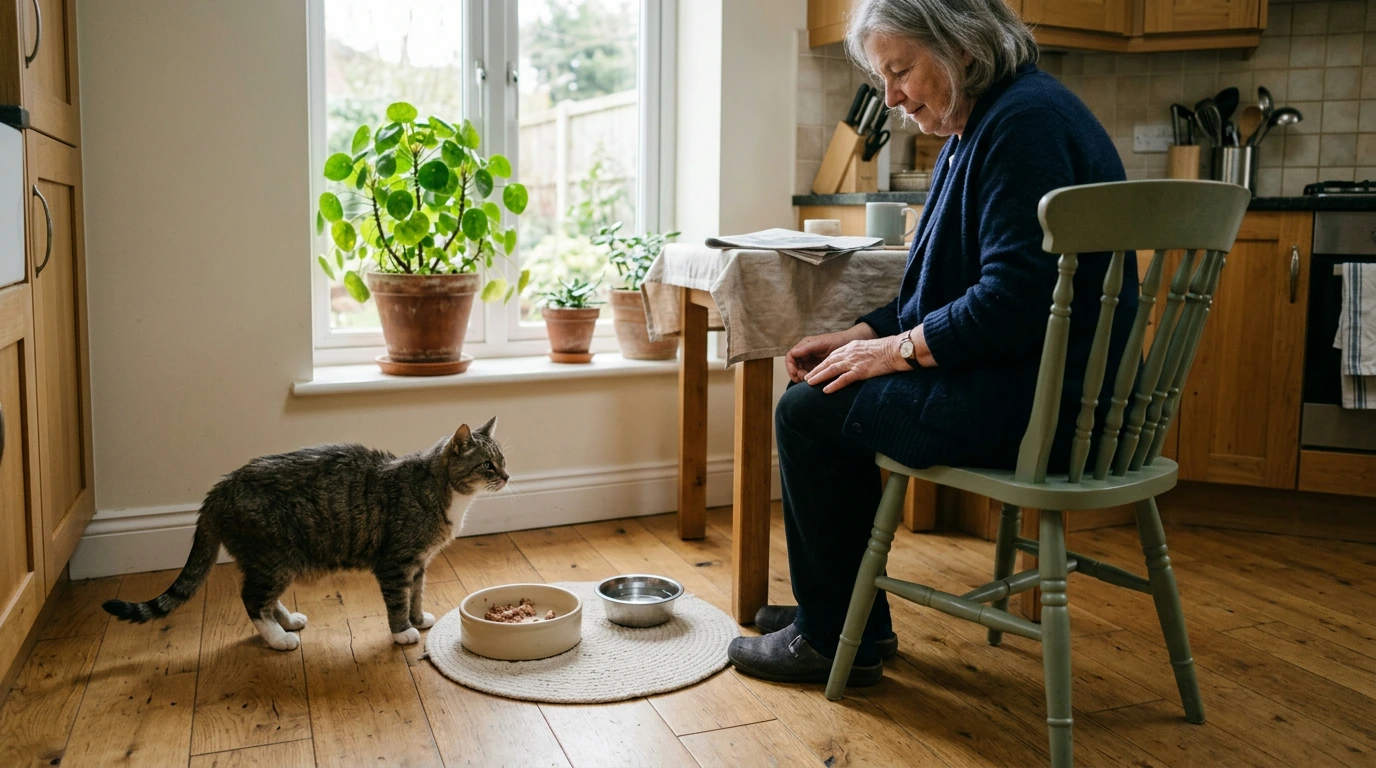
Compare what your cat eats now with their usual amount, and note whether the change happened gradually or suddenly. Our team suggests measuring meals for a few days and recording any weight loss, vomiting, diarrhea, increased thirst, or changes in energy, since those details can help your veterinarian assess what is going on.
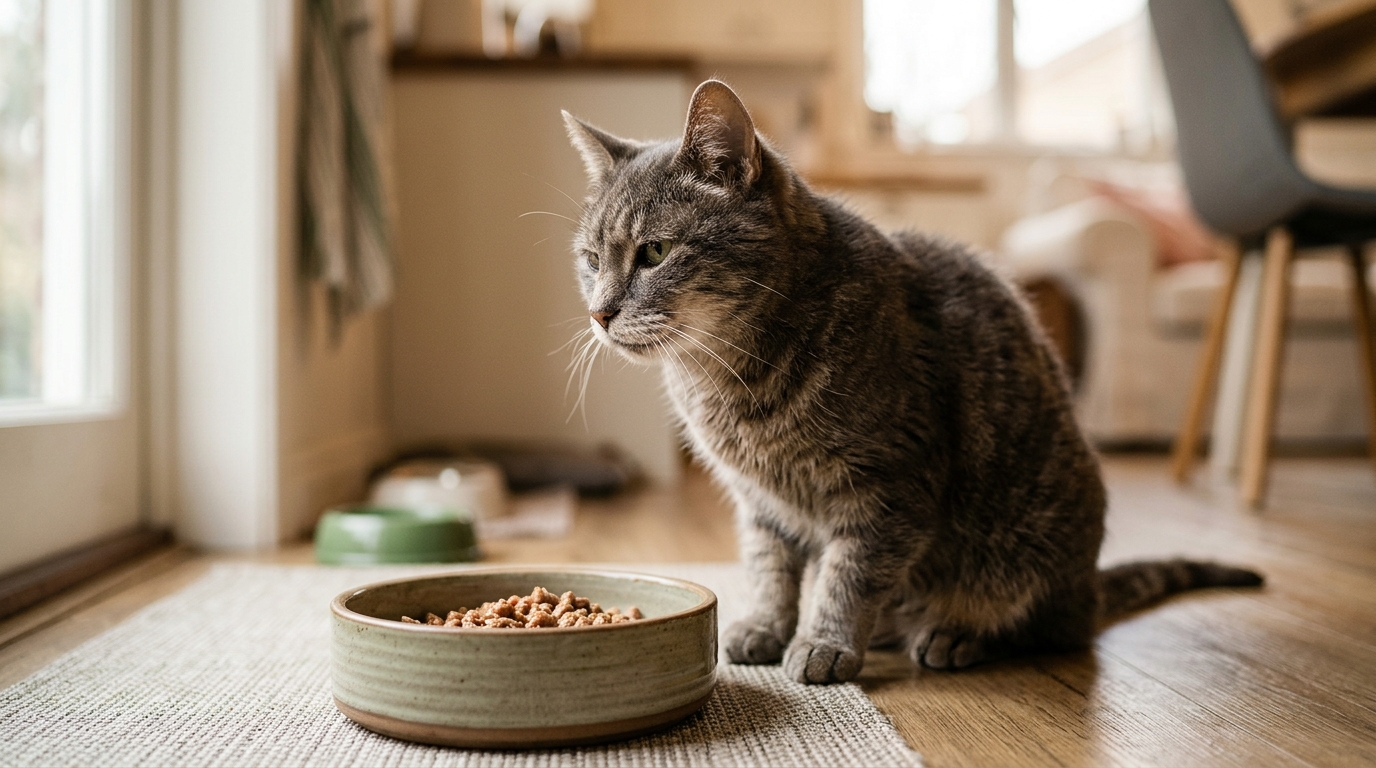
Dental pain, difficulty reaching a bowl, and changes in a cat’s sense of smell can make eating less appealing, so watch whether your cat approaches food but walks away or seems to struggle while chewing. You can offer food in a quiet, easy-to-reach spot and ask your veterinarian whether a different texture or feeding routine would suit your cat’s needs.
Check the product’s listed specifications when evaluating consider comfort at mealtime.
Featured in this guide
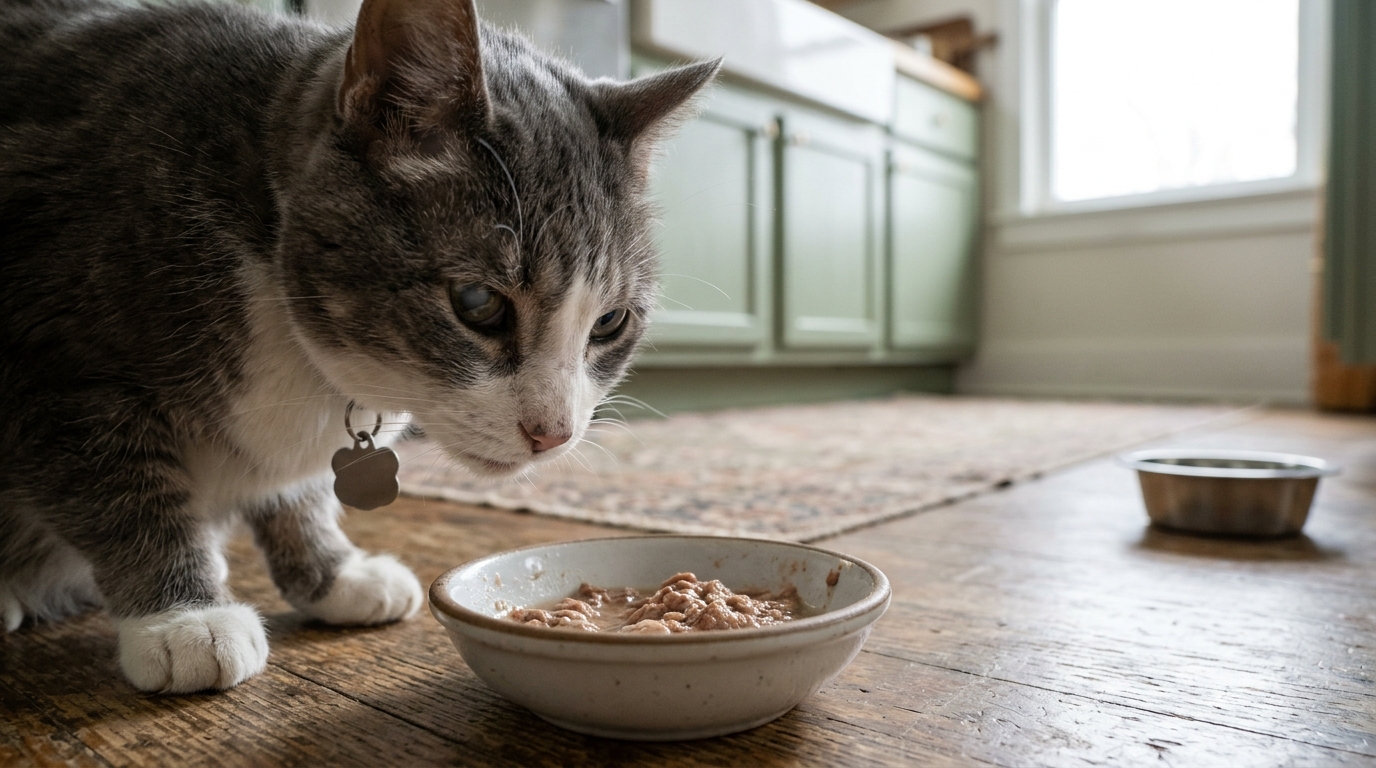
Essential Tips for Feeding Your Senior Cat | eBook for Pet Owners | Digital Download Guide with Nutritional Advice, Feeding Strategies & Checklists
Contact your veterinarian promptly if your senior cat is eating noticeably less, especially if the change is sudden, persists, or comes with weight loss or other symptoms. If your cat stops eating altogether, seems weak, or has trouble breathing, seek urgent veterinary advice rather than waiting to see whether their appetite returns.
Check the product’s listed specifications when evaluating know when to call your veterinarian.
Before changing your cat’s diet, ask your veterinarian whether their health, weight, or medications call for a particular feeding approach; what works for one senior cat may not fit another. For help organizing everyday feeding questions and routines, you can read our Essential Tips for Feeding Your Senior Cat digital guide, which covers nutritional advice, feeding strategies, and checklists.
Possible reasons include mouth pain, nausea, illness, stress, or a change in how appealing their food seems. Because you cannot tell the cause from appetite alone, our team recommends contacting your veterinarian if your cat is eating substantially less than usual.
Marked appetite loss alongside profound weakness, withdrawal, difficulty breathing, or an inability to stay comfortable can be concerning, but these signs do not establish a prognosis on their own. Your veterinarian can assess whether your cat needs treatment, urgent support, or a conversation about comfort-focused care.










Leave a comment