50% off on product page · save $2.99
What Does Stress Spotting Look Like? Signs and Causes
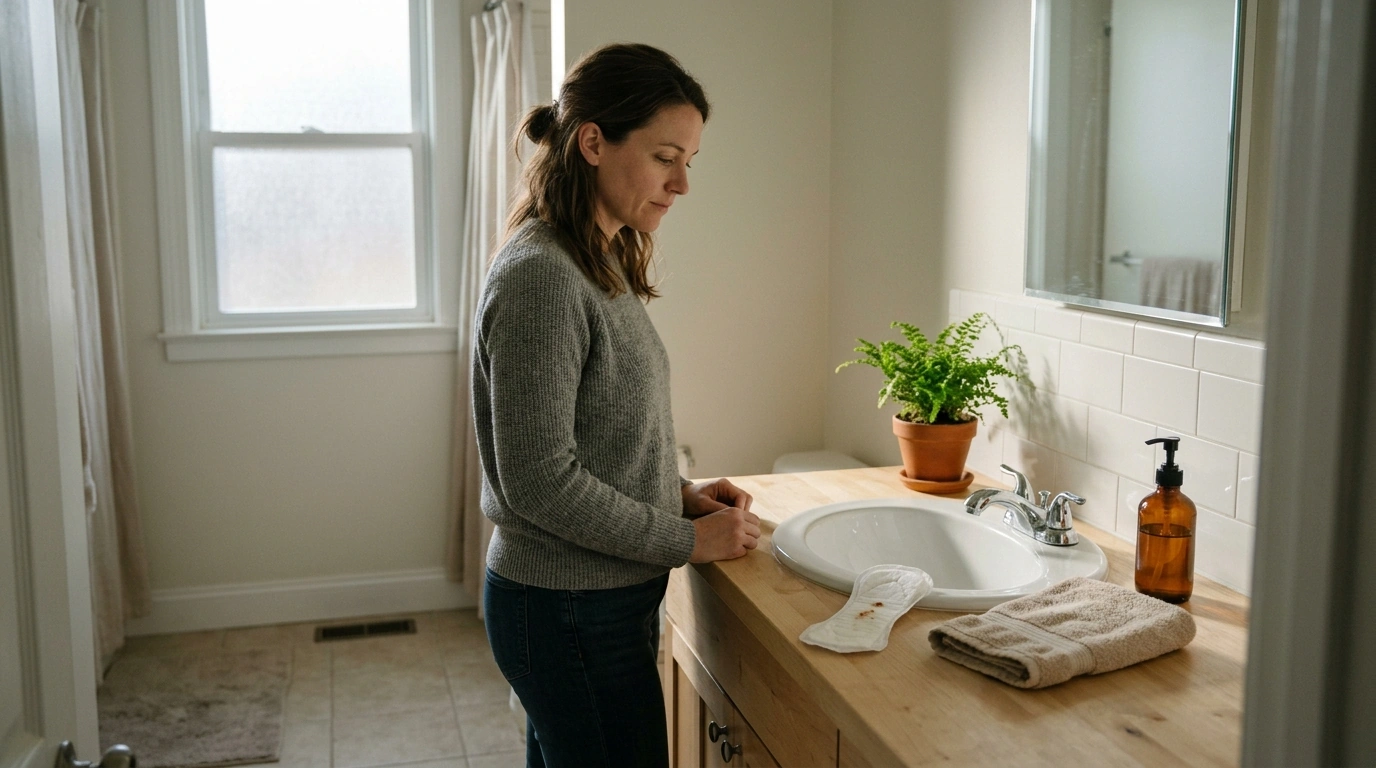
Stress spotting often appears as a few pink, red, or brown marks on toilet paper or underwear rather than a steady menstrual flow. Brown spotting usually indicates older blood, while pink discharge may be a small amount of fresh blood mixed with cervical fluid; note the color and whether it changes over 24 to 48 hours.

Spotting is generally too light to soak a pad or tampon and may require only a pantyliner, if any protection at all. Track how frequently you change protection: soaking through a pad or tampon every hour for two consecutive hours is heavier bleeding, not typical spotting, and warrants prompt medical guidance.

Featured in this guide
Spotting Stress in New Pets – Printable Pet Care Checklist | Signs of Stress in New Pets | Digital Download for Pet Parents & Animal Lovers
Stress-related hormonal changes can cause light bleeding between periods, shortly before an expected period, or after a delayed cycle. Record the first day, duration, amount, and relationship to your usual cycle in a calendar or tracking app, then compare the pattern across two or three cycles.
Bleeding should not automatically be attributed to stress because pregnancy, birth control changes, infections, fibroids, and other conditions can also cause spotting. Take a pregnancy test if pregnancy is possible, and contact a healthcare professional for persistent or recurring spotting, bleeding after sex, severe pelvic pain, dizziness, fever, or unusual discharge.
A light period generally follows your expected cycle timing and produces a more continuous flow for at least part of the day. Spotting is usually intermittent and limited to small stains or drops; use a pantyliner for several hours and document whether the bleeding develops into a consistent flow.
For a fuller explanation of appearance, timing, and possible causes, read the complete guide to stress spotting.
Stress spotting may coincide with a period of significant emotional or physical stress and appear as light, intermittent pink, red, or brown bleeding. Because stress spotting cannot be confirmed by appearance alone, track it for 24 to 48 hours and consult a clinician if it persists, recurs, or includes pain or other symptoms.
Yes, stress can cause light periods by affecting the hormones involved in ovulation and menstrual timing. A light period may also result from pregnancy, weight changes, intense exercise, contraception, or a health condition, so take a pregnancy test when relevant and seek advice if the change continues for several cycles.








Leave a comment