60% off on product page · save $47.81
Do Vets Recommend Elevated Dog Bowls? When They Help
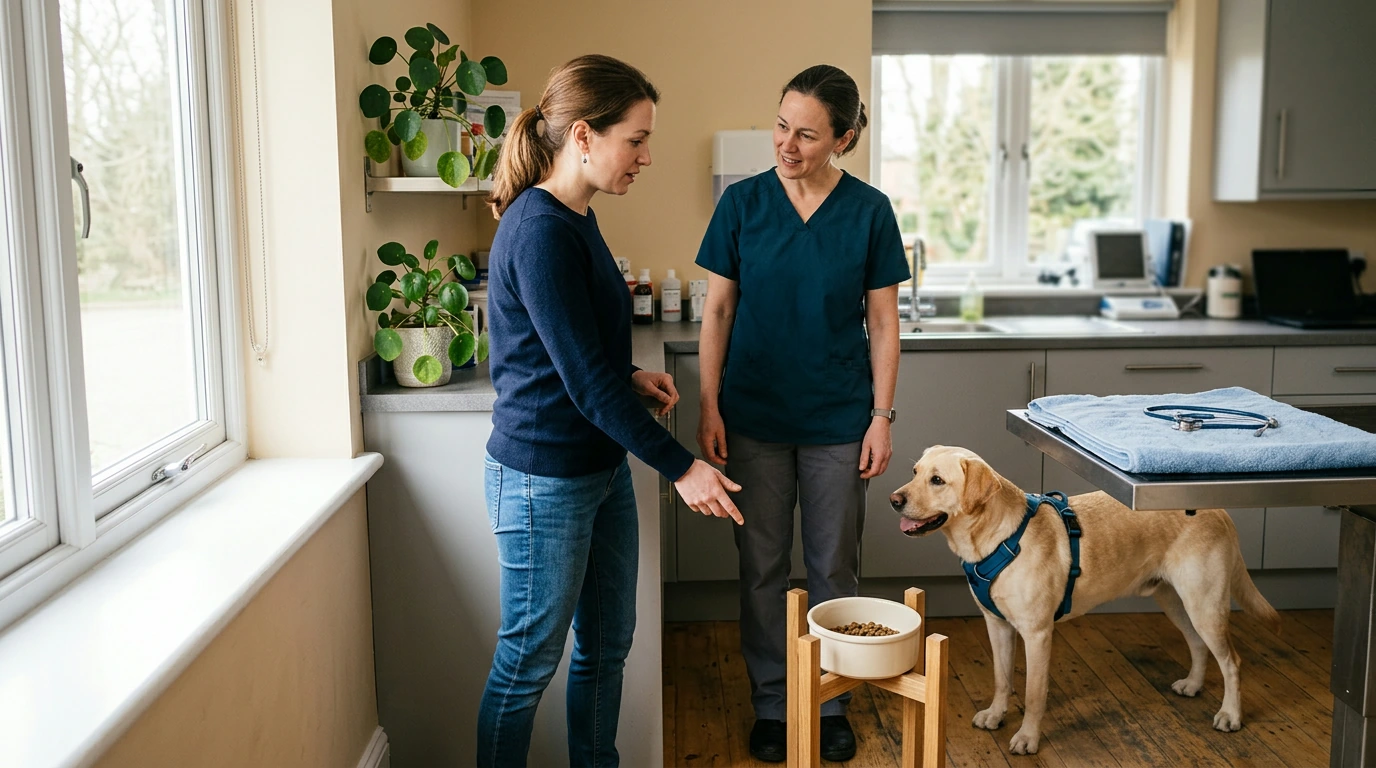
Vets do not recommend elevated bowls for every dog; whether a raised bowl makes sense depends on your dog’s size, mobility, eating habits, and medical history. If your dog eats comfortably from a floor-level bowl, there may be no reason to change, while a dog that struggles to lower its head may benefit from an individualized recommendation from your veterinarian.
Check the product’s listed specifications when evaluating do vets recommend elevated dog bowls.
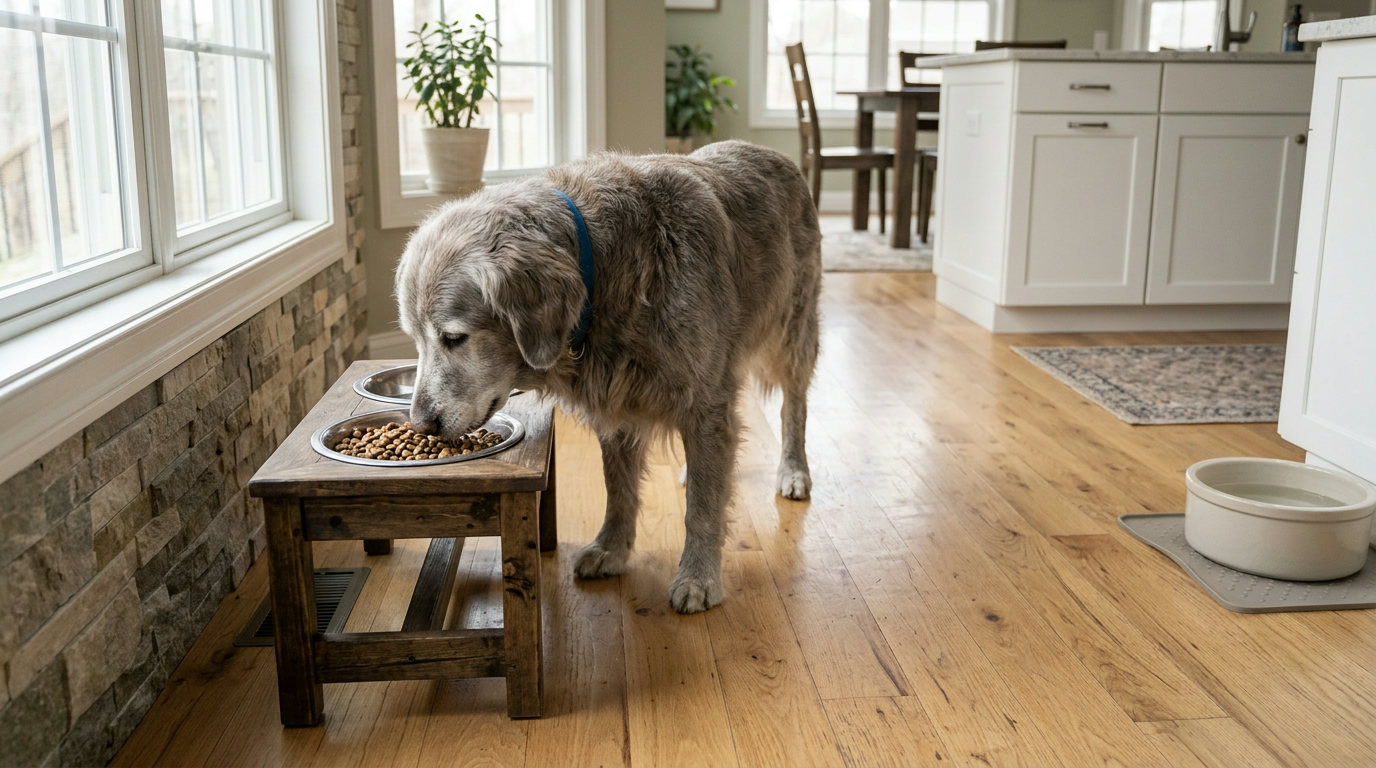
A vet may suggest an elevated bowl for a dog with a particular mobility or orthopedic issue if the height makes mealtimes more comfortable without forcing an awkward posture. Watch how your dog stands while eating: the bowl should be easy to reach without stretching the neck upward, and your dog should be able to keep a relaxed, stable stance rather than leaning or bracing against the stand.
Check the product’s listed specifications when evaluating when might a raised bowl make sense.
Featured in this guide
Elevated Ceramic Pet Bowl with Slow Eating Design & Neck Protection
If your dog is a large or deep-chested breed, or has a history of gastric dilatation-volvulus (GDV), ask your vet before switching to an elevated bowl because raised feeding has been associated with GDV risk in some dogs. Elevation is also not a substitute for addressing fast eating; a slow-eating bowl, appropriately portioned meals, or a feeding plan from your vet may be more relevant if your dog gulps food.
Check the product’s listed specifications when evaluating what about bloat and fast eating.
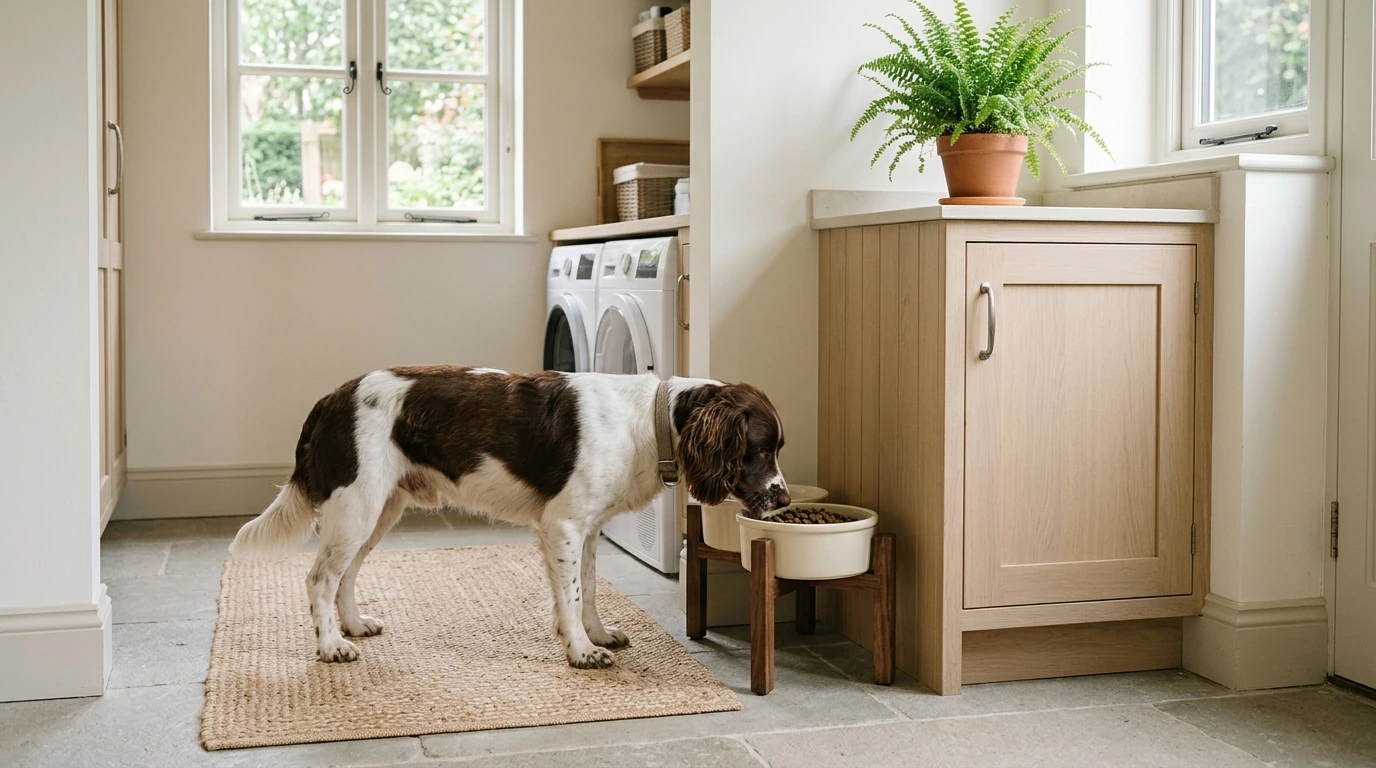
Choose a bowl that stays steady during meals, holds an appropriate portion, and can be cleaned thoroughly after use; if you choose ceramic, inspect it regularly and stop using it if you find chips or cracks. Our Elevated Ceramic Pet Bowl with Slow Eating Design & Neck Protection combines a raised format with a slow-eating design, but your dog’s comfort and your vet’s advice should guide whether that combination is right for you.
Talk with your vet before changing bowl height if your dog has neck or back pain, trouble swallowing, repeated regurgitation, or a condition that affects how they stand to eat. If your dog has a swollen abdomen, unproductive retching, or sudden distress, seek emergency veterinary care immediately rather than trying a different bowl.
The Pet Grooming Comb & Brush for Dogs and Cats – Hair & Fur Remover Tool works alongside the featured product and loosens and collects dog hair from car upholstery and seat seams.









Leave a comment