How to Prepare Your Car for a Long Road Trip
Give your car a thorough check several days before you leave, not the morning of departure. That gives you time to address worn parts, book service, and take a short test drive before loading up.
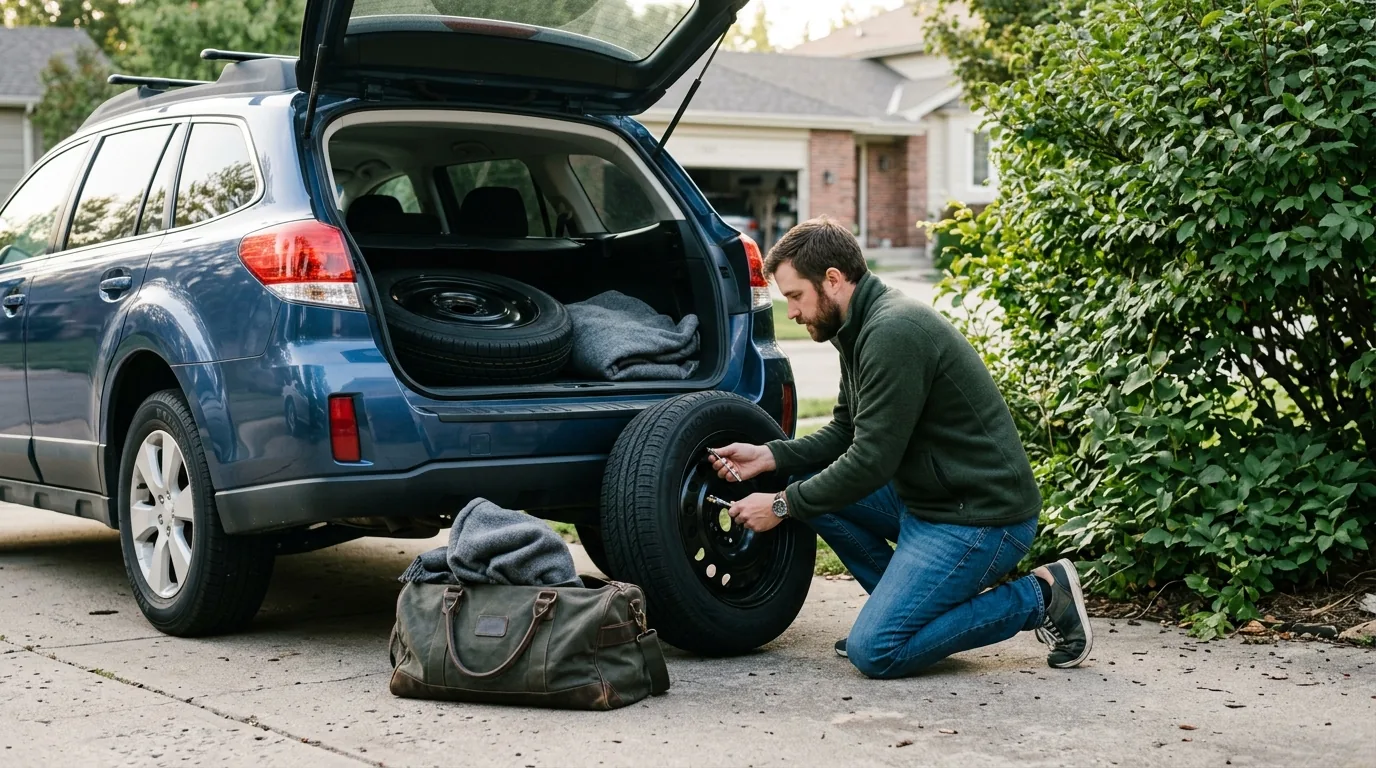
Set tire pressure when the tires are cold, using the numbers on the driver’s door-jamb label rather than the maximum pressure printed on the tire. Inspect the tread and sidewalls for uneven wear, cuts, or bulges, and make sure the spare is properly inflated if your car has one. If you are unsure whether the tread has enough life for the trip, have a tire shop measure it before you go.
Featured in this guide
Road Trip Ready with Your Dog: How to Prepare Your Dog for a Long Car Trip eBook Guide
Check the engine oil, coolant, brake fluid, and windshield-washer fluid according to your owner’s manual. Look under the parked car for fresh drips, and arrange an inspection if a fluid level keeps dropping rather than repeatedly topping it off. Use only fluids that meet your vehicle manufacturer’s specifications.
Confirm that the headlights, brake lights, turn signals, and windshield wipers work properly. Replace wiper blades that streak or chatter, and test the air conditioning and defroster before a drive through heat, rain, or changing elevations. If you notice grinding brakes, a weak battery, or a warning light, have a qualified technician diagnose the problem before departure.
Bring your insurance and registration, phone charger, flashlight, first-aid kit, water, and any tire-inflation or roadside equipment your vehicle requires. Secure luggage so it cannot shift, and stay within the vehicle’s load limits listed in the owner’s manual or door-jamb label. Then take a short drive with the car loaded to check for unusual handling or noises.
For a fuller preparation checklist, see what to do for your car before a long road trip.
Inspect tire condition and pressure, fluid levels, exterior lights, wipers, and the spare or tire-repair kit. Also check for leaks, warning lights, and overdue maintenance.
Check tires, lights, mirrors, windshield visibility, warning lights, and the area around the vehicle. Before pulling away, buckle up and confirm that any cargo is secure.
Complete a maintenance check, fix known issues, and pack essential roadside supplies. Take a test drive after loading the car so you can catch changes in handling before the trip.










Leave a comment