50% off on product page · save $18.99
Do Dogs Get Sad in a New Home? Signs and Solutions
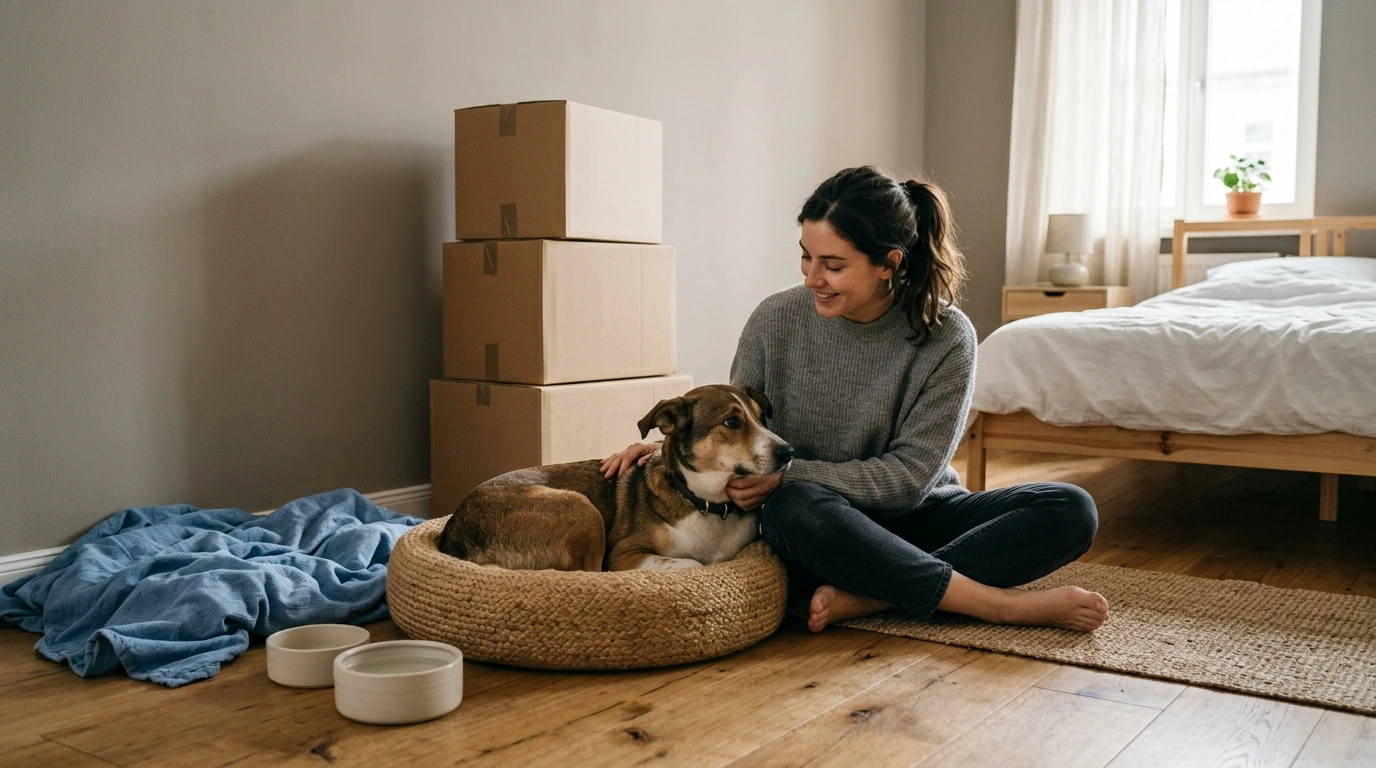
Dogs can appear sad after moving because familiar scents, people, sounds, and routines have suddenly changed. Reduced appetite, hiding, whining, low energy, or extra clinginess may occur during the first several days, especially in sensitive dogs.
Keep meals, walks, and bathroom breaks within 30 minutes of the dog’s previous schedule whenever possible. Learn more about why dogs may feel sad when they go to a new home.

A dog’s sense of smell is central to how they understand their surroundings, so familiar materials can make an unfamiliar home less overwhelming. Bring an unwashed blanket, favorite toy, or fabric item carrying the scent of the dog’s former environment.
Place these items in one quiet room rather than spreading them throughout the house. Avoid washing them for the first week unless they are soiled, giving the dog a consistent scent marker while settling in.

Featured in this guide
Happy Pets, Confident Newly Owners | eBook for New Pet Parents | Tips for New Pet Owners, Pet Care Guide, Home Setup & Training Essentials
Immediate access to an entire house can overload a nervous dog with too many doors, surfaces, and sounds. Start with one or two dog-safe rooms containing water, familiar belongings, and a comfortable resting area.
Use a secured baby gate if the dog is comfortable seeing activity without joining it. Add another room after 24 to 48 hours of relaxed eating, resting, and movement in the initial space.
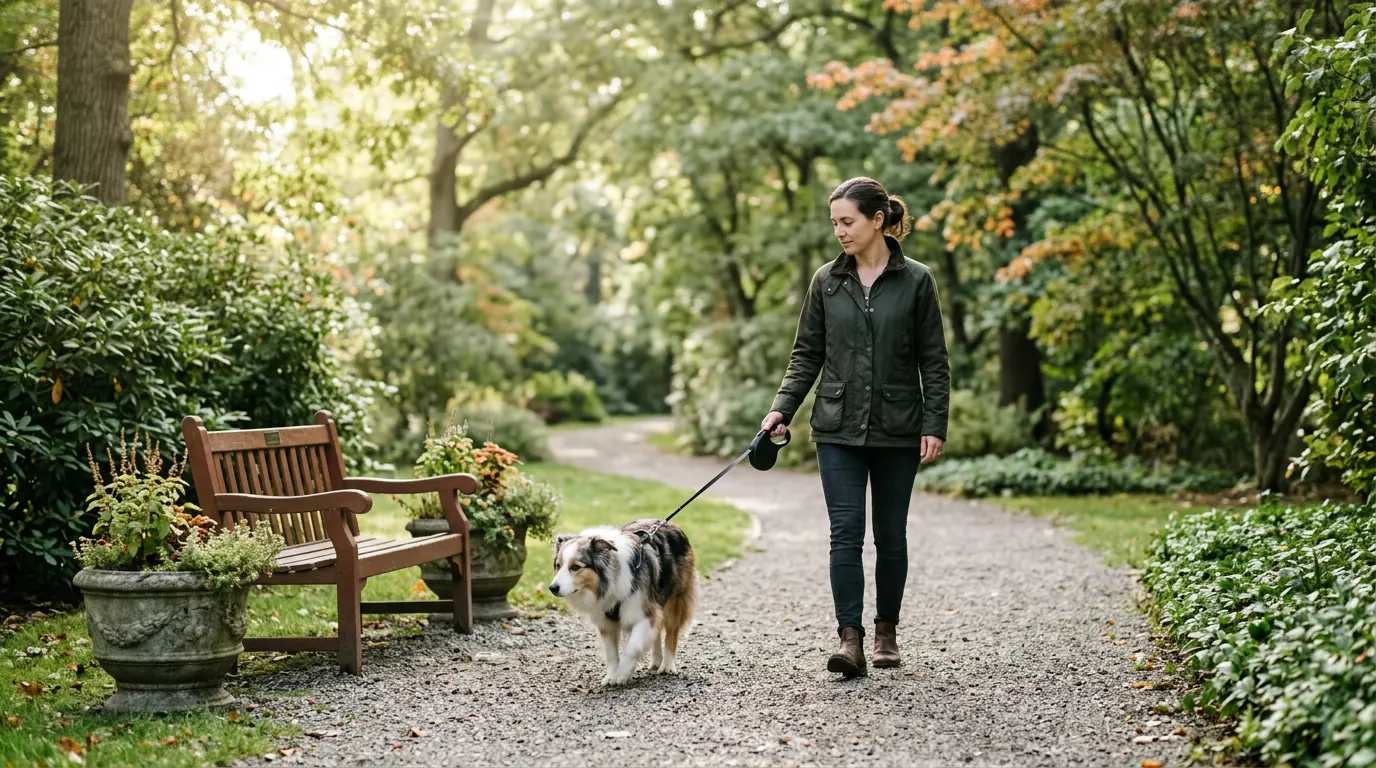
Short, repeated routes help a dog become familiar with neighborhood scents without facing constant novelty. For the first week, take calm 10- to 20-minute walks along the same route, adjusting the duration for age, health, and energy level.
Check that the collar or harness fits securely before every outing because anxious dogs may attempt to back out of loose equipment. Identification tags and microchip contact details should also reflect the new address.
Temporary withdrawal may be stress-related, but persistent symptoms can indicate pain or illness rather than sadness alone. Record food intake, water consumption, bowel movements, and activity each day to identify measurable changes.
Contact a veterinarian promptly if the dog refuses food for 24 hours, repeatedly vomits, has diarrhea, struggles to breathe, or becomes unusually weak. Puppies, senior dogs, and dogs with medical conditions may need help sooner.
A dog may begin adjusting to a new house within several days, but full comfort can take a few weeks or several months. A stable daily schedule, limited initial access, and calm introductions can make the adjustment more manageable.
A dog may seem depressed after moving to a new house because familiar scents, routines, and social cues are missing. If low energy, appetite loss, or withdrawal persists or worsens, schedule a veterinary examination to rule out illness or pain.







Leave a comment